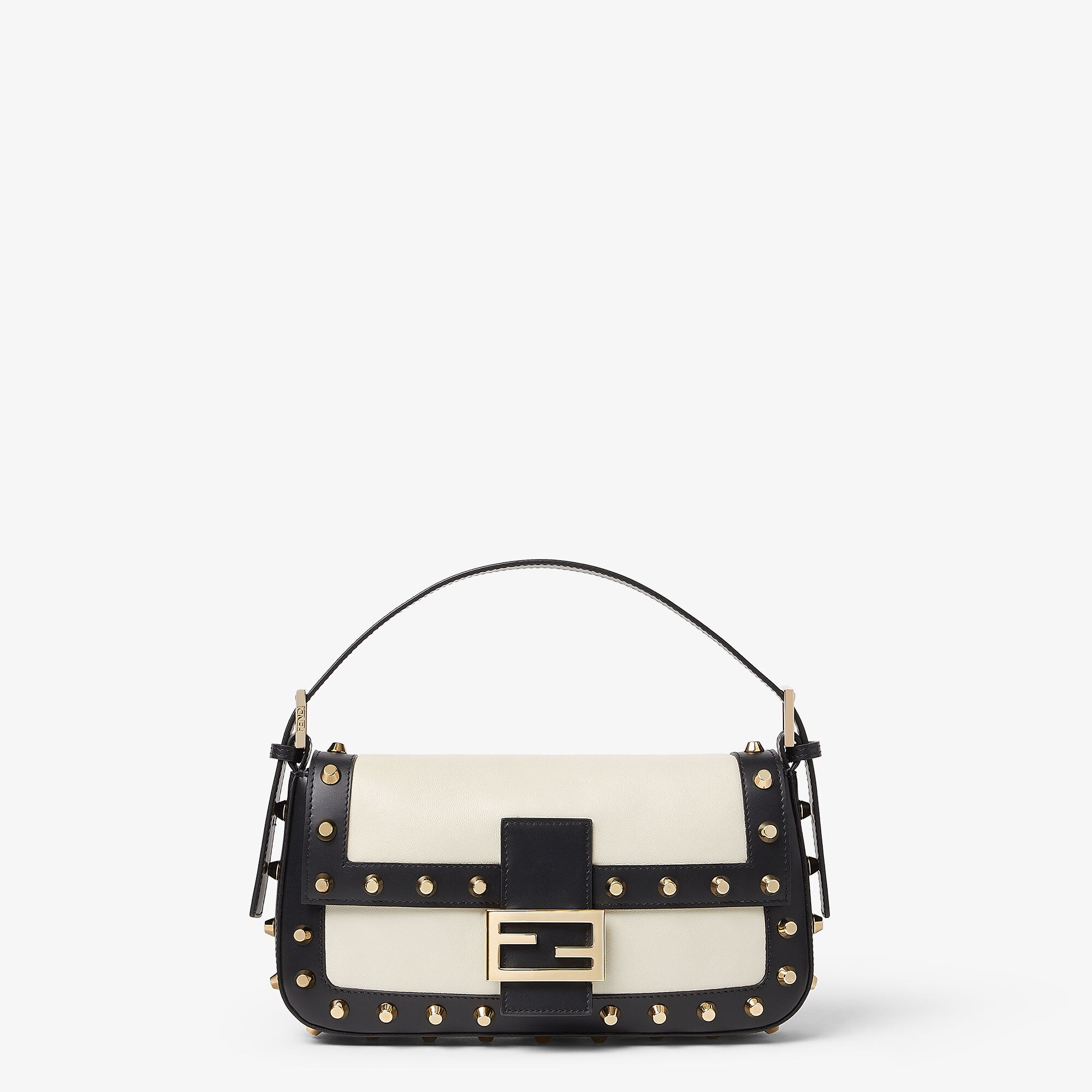
The Peekaboo sits on the counter at Via Solari like a witness
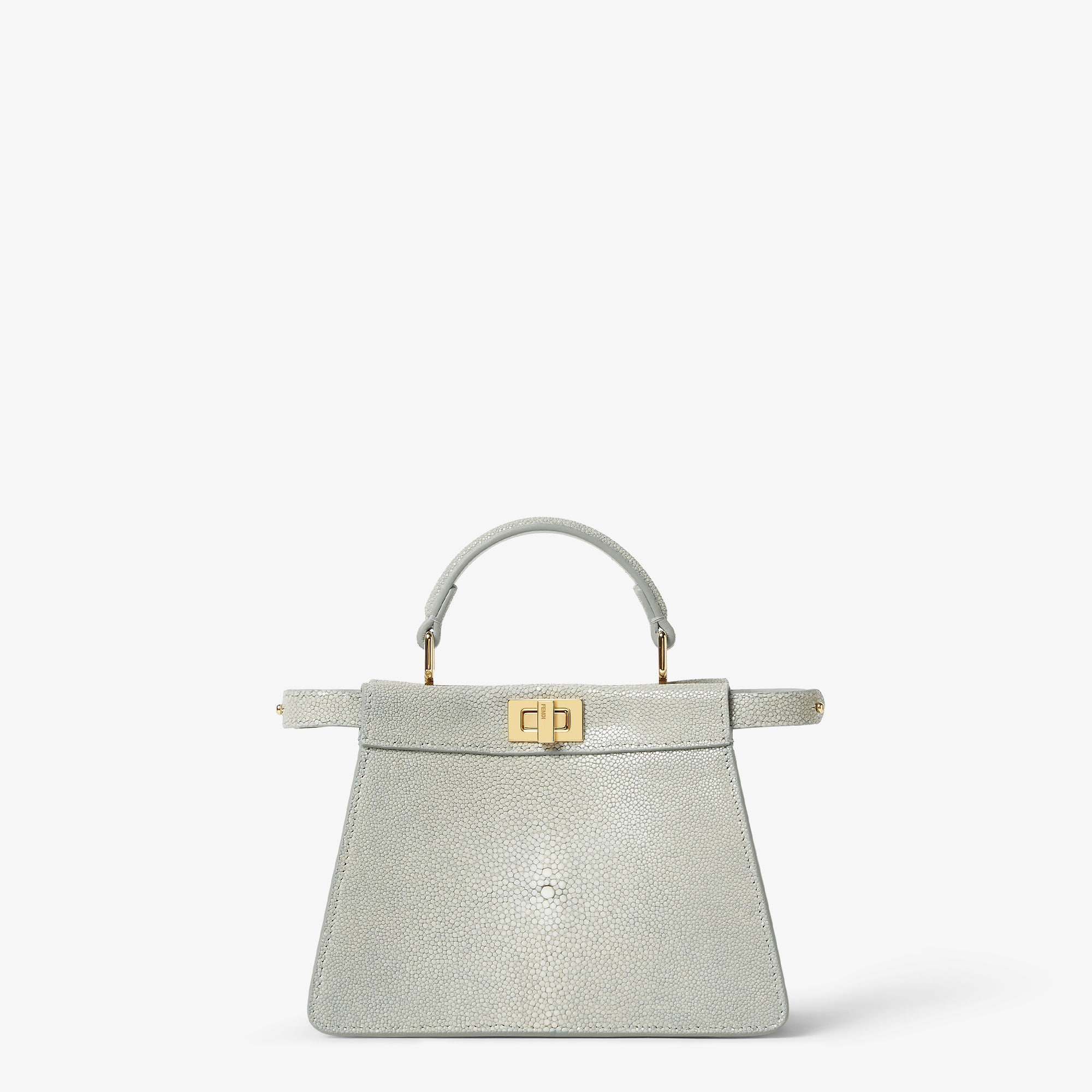
The Peekaboo sits on the counter at Via Solari like a witness. Caramel calfskin, hardware gone matte from six years of actual use, the frame slightly warped where it's been set down a thousand times. The woman selling it—early forties, wedding band, good coat—says she's kept it because it worked. Not because it said anything, not because it appreciated. Because the proportions held and the clasp never failed her in a taxi. That's where Fendi is now. Respected, worn, not particularly argued over.
It wasn't always quiet.
La fondazione e il salto
Five sisters opened a leather and fur workshop on Via del Plebiscito in 1925. Adele Fendi ran operations, her daughters ran everything else, and by the 1960s the house had built a reputation on pelts and a willingness to treat fur like fabric—reversible, dyable, stitched into ready-to-wear instead of locked in the vault. When Karl Lagerfeld arrived in 1965, he pushed that softness further. He put mink on daywear. He lightened sable. He made fur feel like something you could throw on for lunch instead of something your husband gave you for staying.
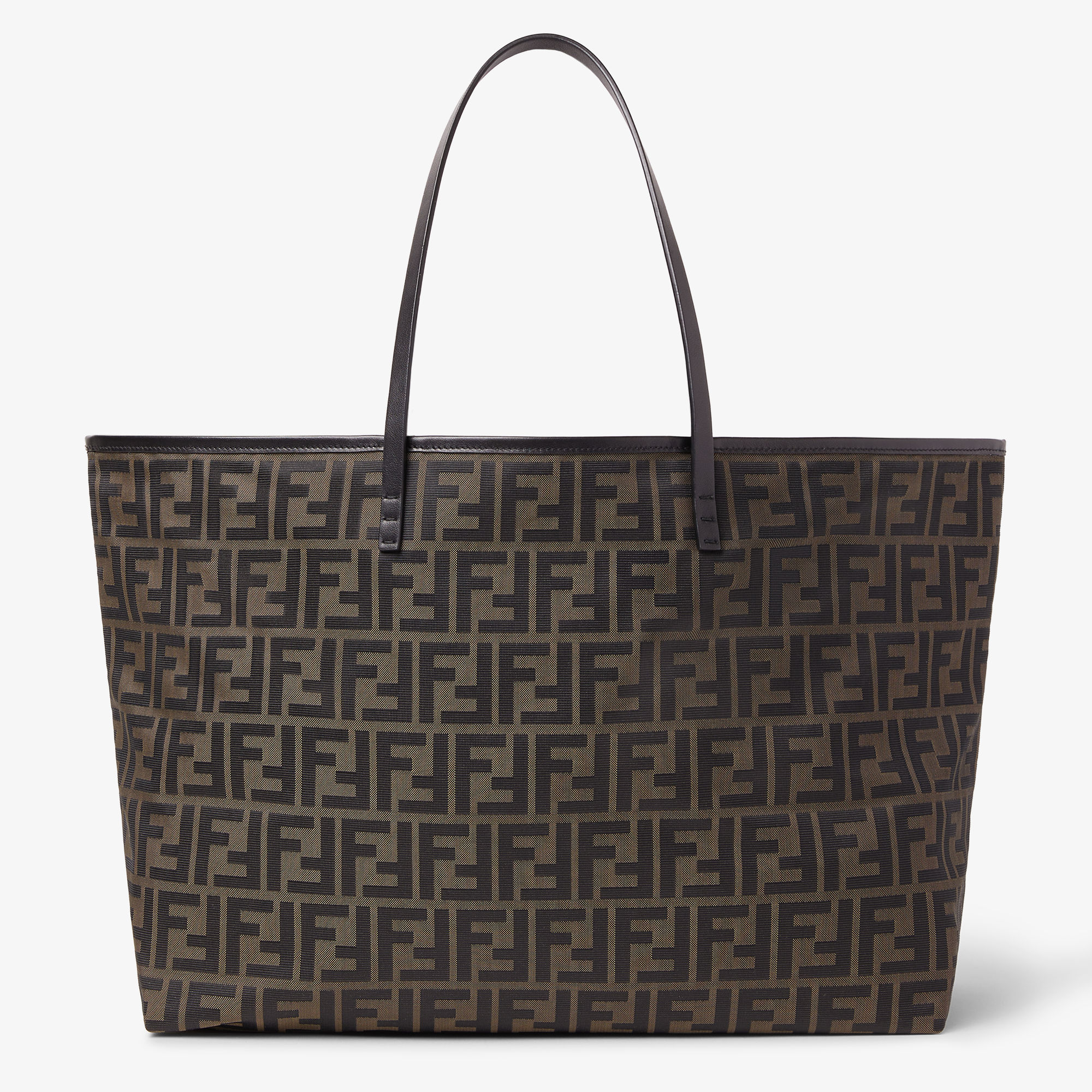
The double-F logo came in '65 too, a piece of branding so direct it aged into shorthand. Fendi never tried to make you forget it was a logo. It just made the logo so functional—stitched into linings, pressed into hardware, woven into canvas—that it became part of the house's syntax rather than a symbol you had to negotiate.
Lagerfeld stayed for fifty-four years. That continuity let Fendi develop a language instead of a greatest-hits reel. The Baguette arrived in 1997, designed by Silvia Venturini Fendi, and became the kind of bag that stops being a bag and starts being a reference point. Not because it was perfect—early versions had a strap that dug into your shoulder after twenty minutes—but because it was specific. The shape quoted nothing. The size made sense under your arm. The hundreds of versions that followed (sequins, crocodile, denim, sheepskin) proved the template was sound.
La direction actuelle
Kim Jones took over women's ready-to-wear in 2020, which means Fendi now operates under a split structure: Jones does the runway, Silvia Venturini Fendi continues with accessories and menswear. That division could feel awkward. In practice, it's produced a house with two distinct registers that don't try to reconcile.
Jones brings references—usually English, often queer, sometimes architectural. His second collection opened with a film of Delfina Delettrez Fendi (Silvia's daughter, the house's fourth generation) walking through the Palazzo della Civiltà Italiana, and the clothes that followed leaned into volume and a kind of cerebral softness. Oversized trenches in bonded shearling. Knits with sleeves that extended past the wrist. Trousers cut with enough room that the fabric moved independently from the leg. It wasn't obvious Fendi, but it wasn't trying to be. Jones treats the archive like a material—he pulls from it when it's useful, but he doesn't perform reverence.
The accessories line, still under Silvia's direction, remains more direct. The Peekaboo continues in new leathers and scales. The Baguette gets reworked every season, sometimes smartly (the shearling versions from two years ago worked), sometimes not (the logo-jacquard nylon felt redundant). There's a confidence in that line that doesn't need to announce itself. Silvia has been at Fendi since 1994. She knows what the house is for.
Les chiffres et le marché
Fendi's owned by LVMH, acquired fully in 2001, and the group doesn't break out brand-level revenue. But analysts estimate Fendi does somewhere between €1.4 and €1.6 billion annually, which places it in the second tier of the LVMH portfolio—above Loewe, below Dior and Louis Vuitton. That's a comfortable position. Not the house that has to carry the quarter, but not the one that needs justifying either.
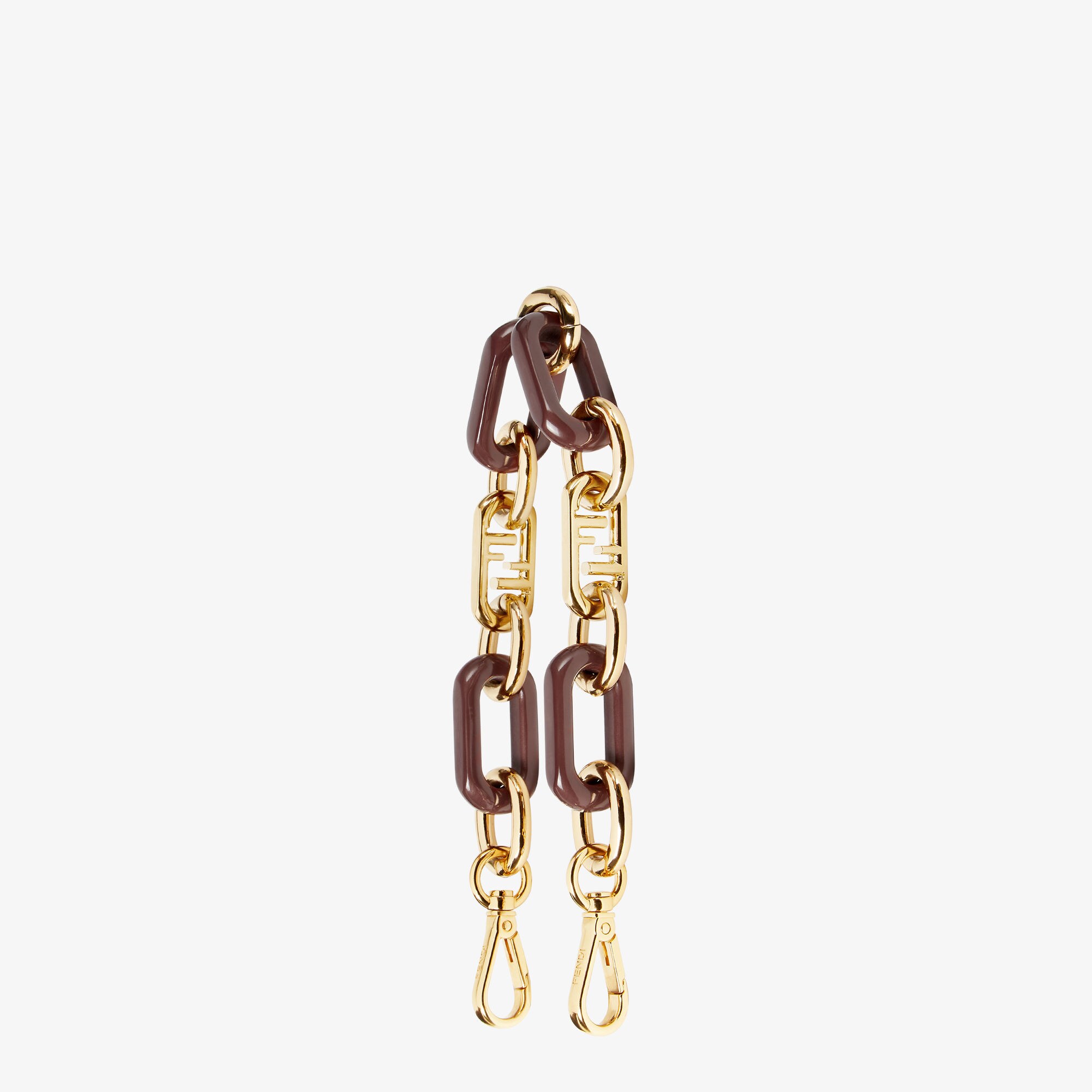
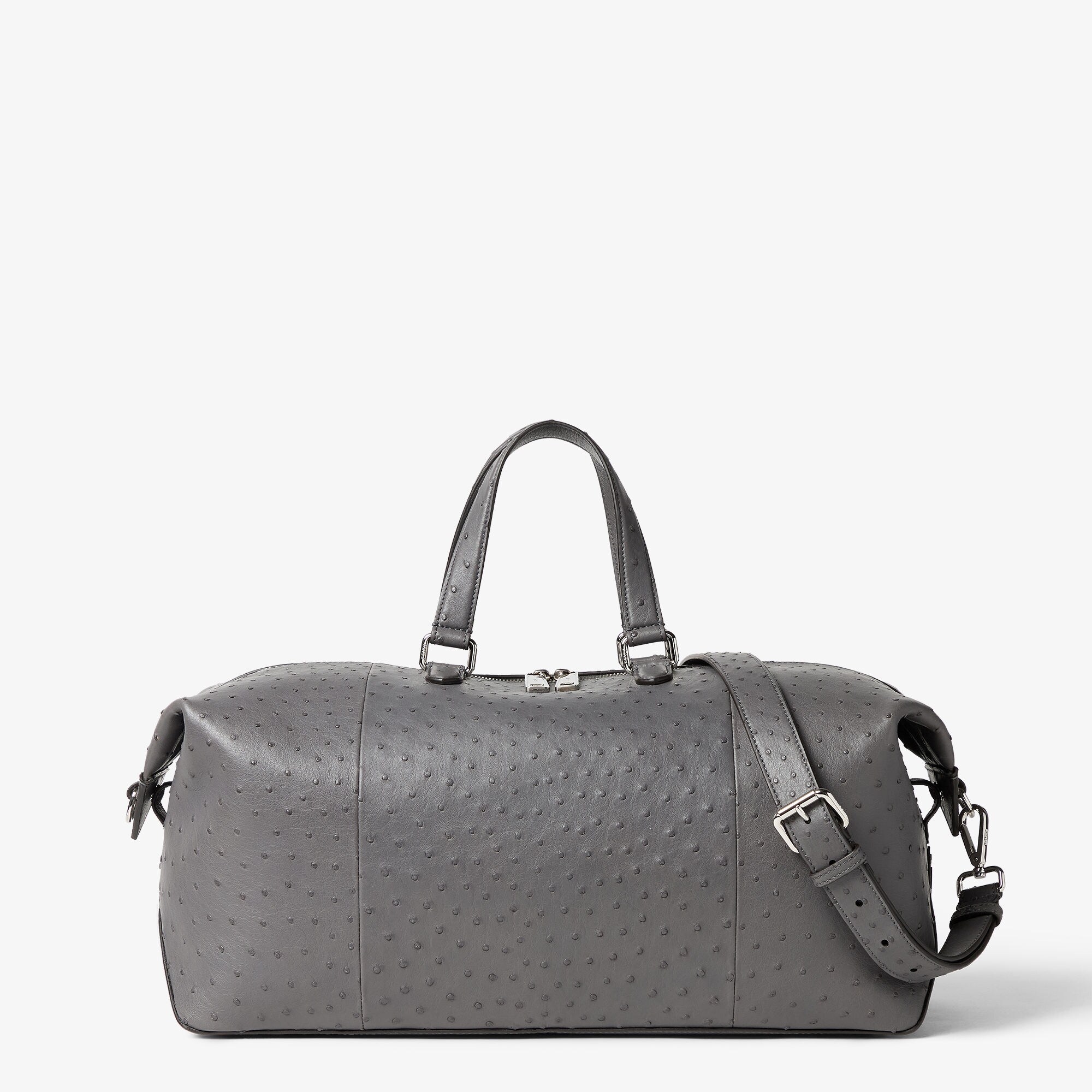
Leather goods and accessories drive the business. Ready-to-wear gets the press, but the margin lives in the Peekaboo, the Baguette, the First, and the smaller pieces—card holders, belt bags, the Nano Baguette charm that became a minor phenomenon in Asia. Fendi's handbag prices sit just below Hermès and above Bottega, which is a narrow band to operate in. A medium Peekaboo runs €4,200. A Baguette in calfskin starts at €2,800. Those aren't entry prices, but they're legible. You know what you're paying for.
The brand's strength in Asia—particularly China and South Korea—has kept it insulated from some of the softness in the European market. Fendi's logo isn't loud, but it's clear, and that plays well in markets where recognition still matters. The FF monogram sits in a strange spot: too established to feel new, not ubiquitous enough to feel obvious. It works.
L'image maintenant
Walk into the Via Montenapoleone flagship and the space feels considered but not precious. Pale stone, brass fixtures, bags displayed like objects rather than trophies. The staff will pull a Peekaboo from the shelf and set it on the counter without ceremony. You can touch it. You can open it. No one hovers.
That's the register Fendi occupies now—solid, functional, not trying to be the conversation. The runway shows generate coverage, but they don't generate frenzy. The collaborations happen (Skims, Marc Jacobs, Tiffany), but they feel like extensions rather than pivots. The house isn't chasing virality, and it isn't pretending it doesn't care about commerce. It's making things that work and trusting that's enough.
There's a risk in that steadiness. Fendi doesn't have Bottega's momentum or Loewe's cultural heat. It doesn't have the waiting lists that Hermès has engineered or the street credibility Balenciaga used to hold. It has a reputation for making good bags that last and a creative director who knows how to reference without quoting. In a market that rewards noise, that's a harder position to defend.
But the Peekaboo on the counter at Via Solari—the one with the worn hardware and the warped frame—suggests something else. It suggests that some houses don't need to be the story. They just need to be there when the story's over and you still need a bag that works.
The woman selling it gets her price. The buyer, younger, tries it on her shoulder twice before nodding. No one mentions the brand. They both already know.