The saleswoman at the Madison Avenue boutique once told me she could identify a Bottega Veneta client by their hands
The saleswoman at the Madison Avenue boutique once told me she could identify a Bottega Veneta client by their hands. Not by what they carried, but by the way they touched things. A specific slowness. Fingers that registered weight before price.
That is not the story the house tells about itself now. But it is the one that built the mythology.
Intrecciato n'est pas un logo
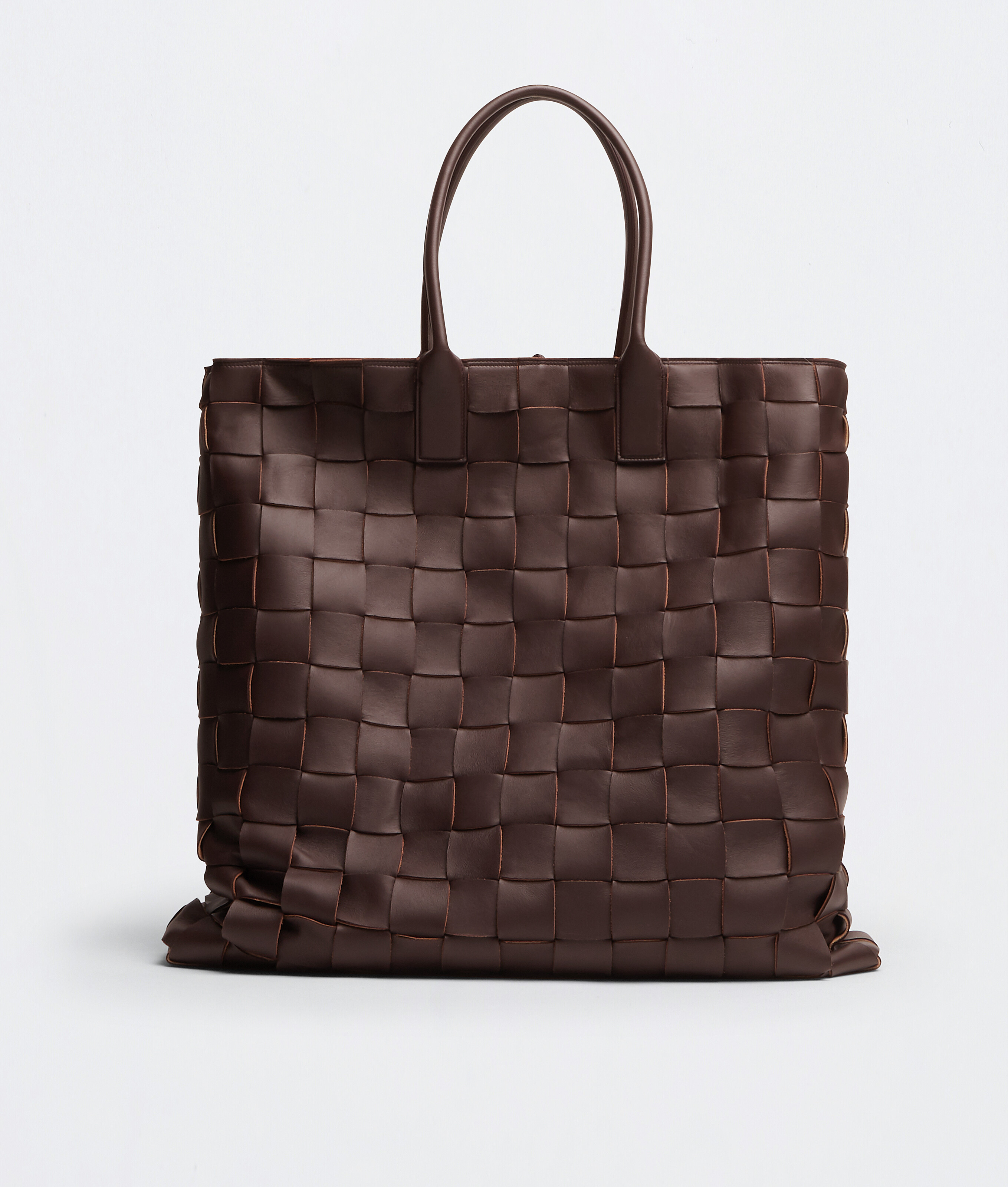
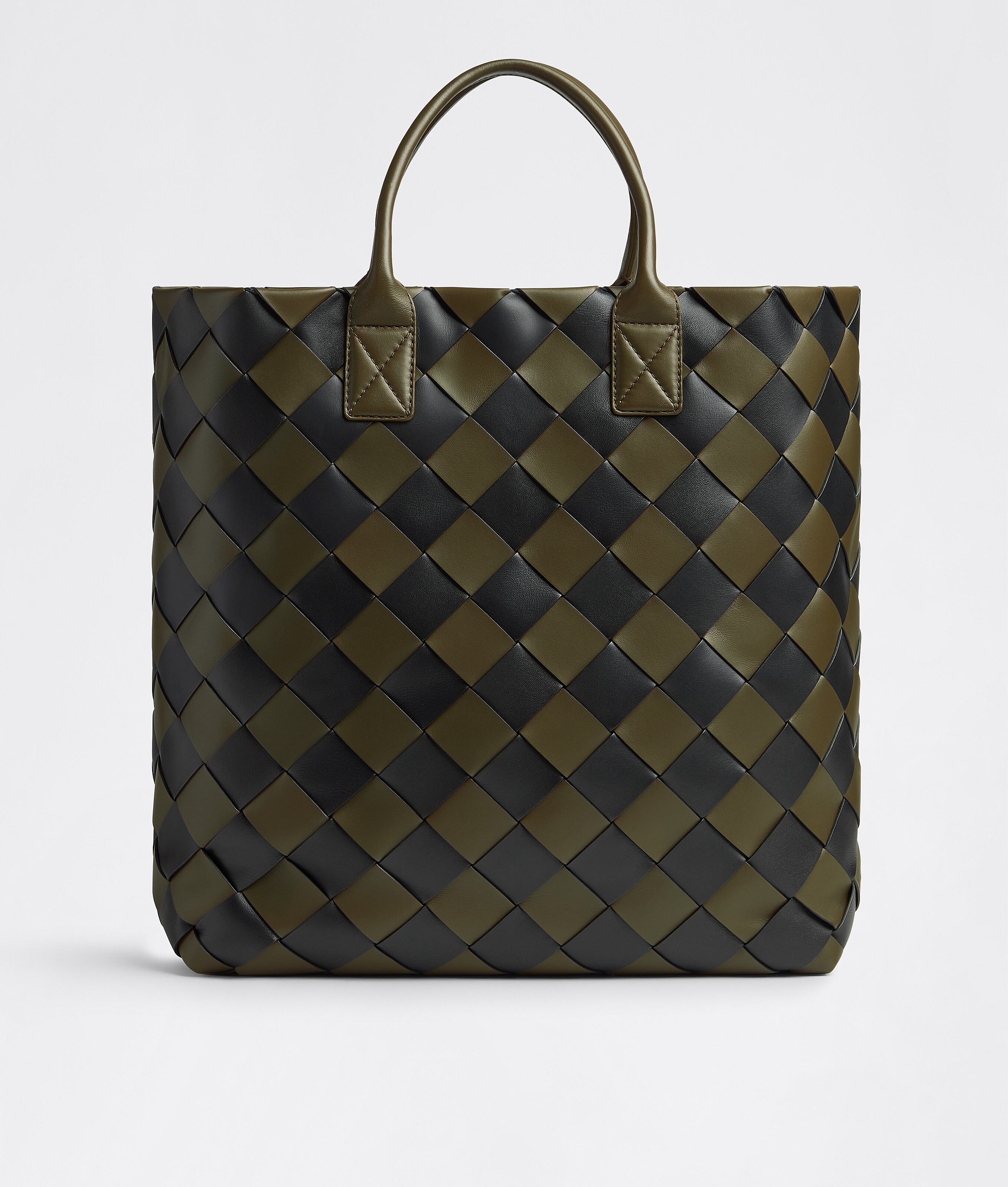
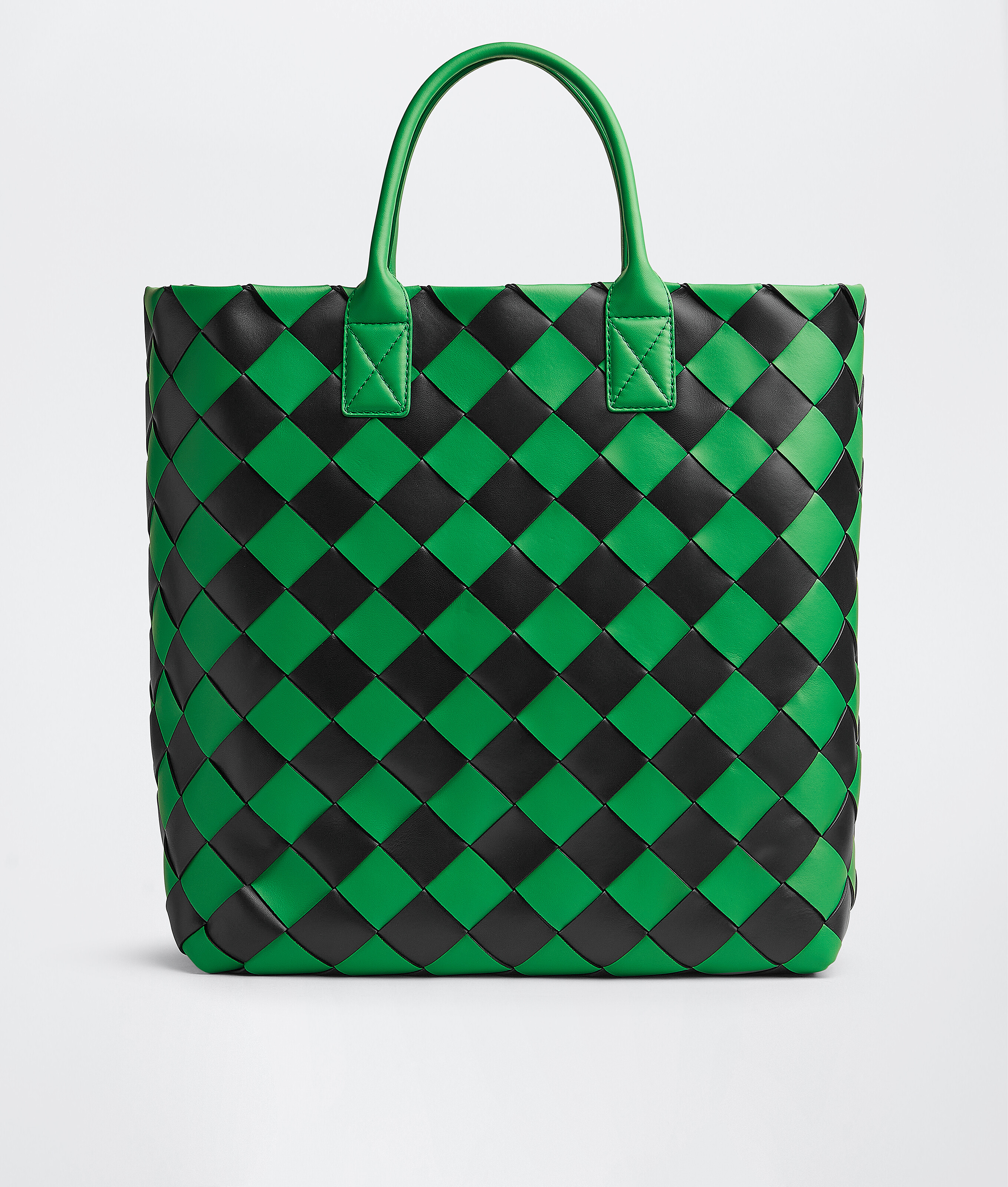
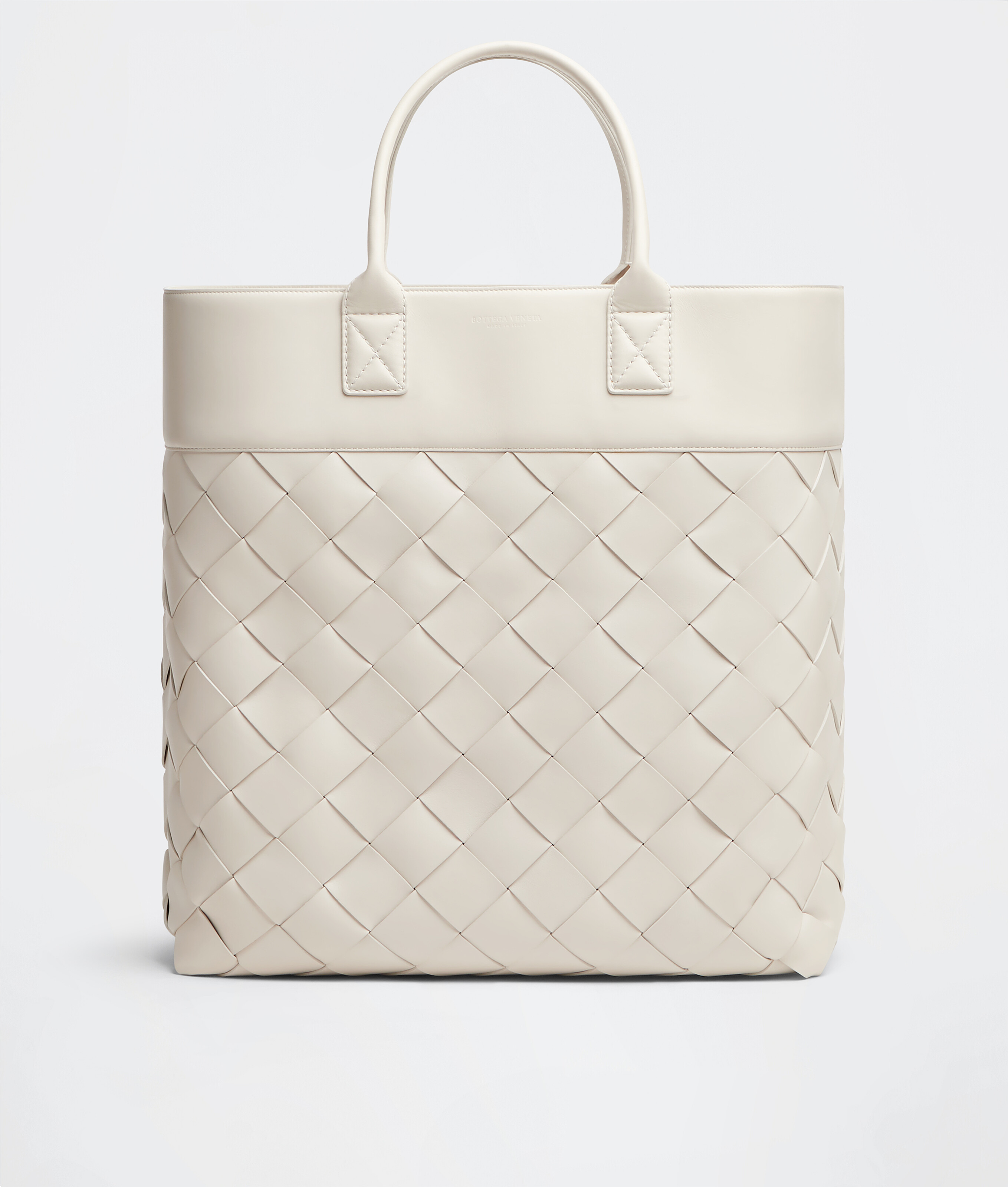
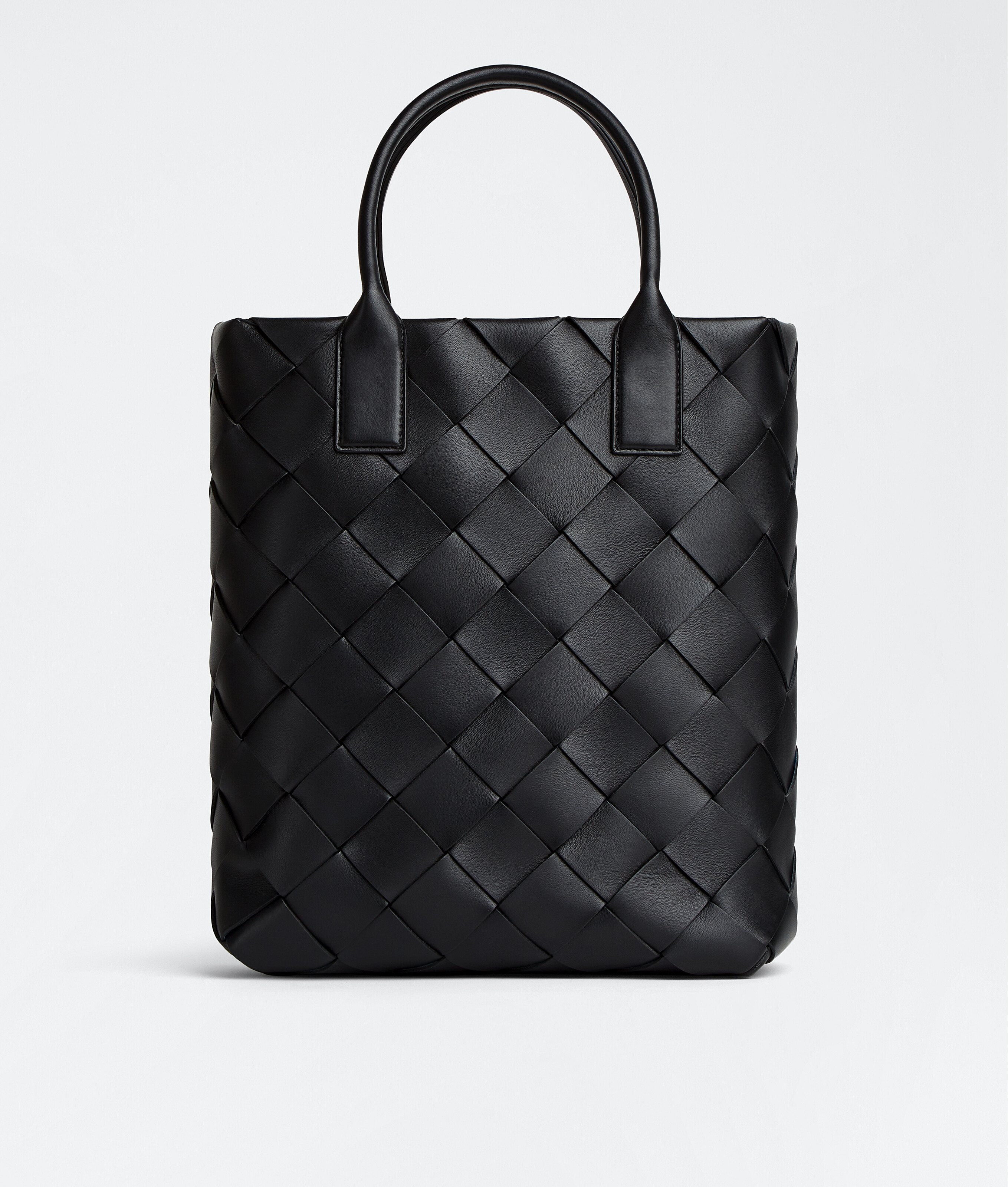
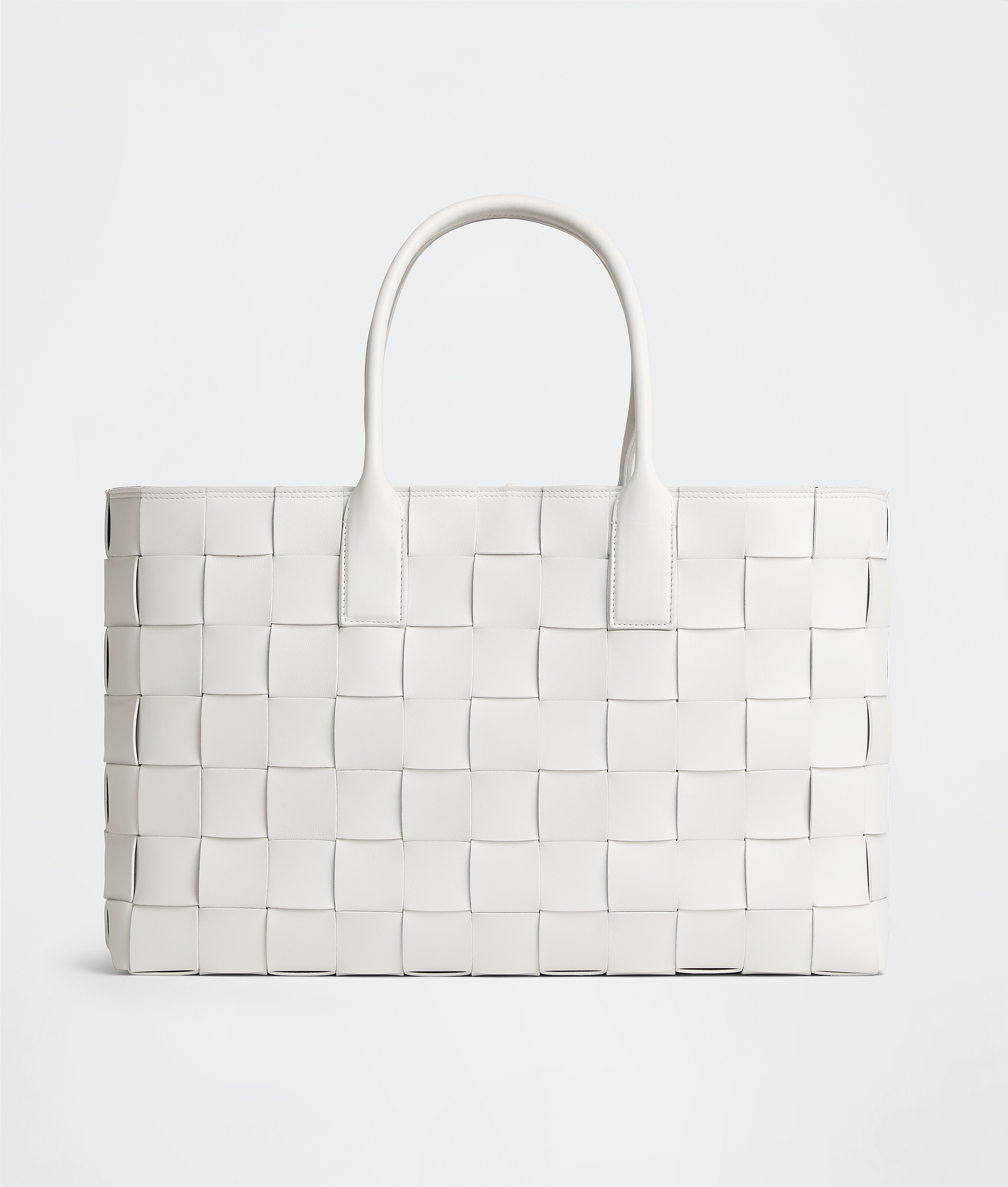
Bottega Veneta was founded in Vicenza in 1966 by Michele Taddei and Renzo Zengiaro. The intrecciato weave arrived two years later, not as branding but as engineering. Leather strips woven to distribute stress across the surface of a bag. The result: no stitching to fail, no seams to split. A structure that aged into itself rather than against it.
This was northern Italian leather thinking. Not Florentine — Florentine leatherwork loves tooling, embossing, visible craft. Venetian. Soft construction. No internal frame. A bag that moved with the body because it had no skeleton of its own.
The weave became recognisable, but it was never loud. You had to be within arm's reach to see it. Bottega operated at that distance for thirty years.
By the mid-1990s, the house had built a reputation among a narrow clientele: bankers' wives, gallerists, women who did not explain their taste. The bags were expensive in a way that didn't announce itself. Cognac, cigar brown, a particular shade of green that only read as green in daylight. The Veneta hobo launched in the early 2000s and moved through a specific social circuit without ever appearing in an ad.
Then Gucci Group acquired the house in 2001. Tomas Maier arrived as creative director and stayed for seventeen years.
L'ère Maier, ou la discrétion comme système
Maier did not make Bottega Veneta quiet. It already was. What he did was turn that discretion into a position.
No logo on the leather. No monogram lining. No hardware that read as jewellery. The bags had a small embossed mark on the interior — easy to miss, easier to ignore. The brand operated as though it had nothing to prove, which in 2005 was a commercial risk and in 2015 was a commercial advantage.
Maier's collections were not minimal. They were specific. He worked in materials most houses ignored: intarsia knits dense enough to hold a silhouette without a single seam, paper-weight cotton poplin for shirting, nappa so fine it moved like jersey. The intrecciato itself expanded: he wove crocodile, wove ayers, wove a bag from strips of mink that had the hand of suede and none of the drag.
The runway shows were small. Presentation-style, often. Models walked close enough that editors in the front row could see the selvedge on an unfinished hem, could register that a sleeve had been set without a shoulder pad. This was not about performance. It was about proximity.
Maier also worked in colour. Not seasonal colour — structural colour. He developed a red he called 'Vesuvio' that sat somewhere between rust and clay, a blue he called 'Pacific' that looked grey until you saw it next to actual grey. These were not trends. They were tools. A client could buy the same silhouette in three finishes and build a wardrobe that worked as a system.
The Cabat bag is the clearest example of this thinking. Introduced under Maier, it has no hardware, no closure, no lining. It is two panels of intrecciato joined at the sides and the base. The structure comes entirely from the density of the weave and the stiffness of the leather. It takes two artisans a full day to make one. It costs what it costs.
That bag was never bestseller. But it was legible to the people who needed to understand what Bottega Veneta was.
Daniel Lee et le bruit du silence
When Daniel Lee took over in 2018, the discourse around the house changed faster than the house itself.
Lee kept the intrecciato. He kept the no-logo rule. What he changed was scale. He introduced the Pouch, a clutch the size of a pillow with a gathered top that looked like something inflated. It was tactile in a way Bottega had not been before — you wanted to squeeze it. The Puddle boot followed: a square-toe Chelsea that sat on a sole thick enough to distort proportion. Both pieces moved through Instagram at a speed Maier's work never did.
Lee also brought in hardware. Not logos, but presence. The Chain Cassette replaced leather straps with chunked gold-tone links. The BV Jodie knotted the intrecciato into a single sculptural handle. These were bags that registered from across the room, which was new.
The clothes were harder to read. Lee worked in leather the way Maier had worked in cotton — as a base fabric, not a statement material. He cut trousers from lambskin with flat-front waistbands and side zips, shirts from calfskin with French cuffs. On the runway, worn with knits and boots, they didn't announce themselves. In the hand, they were absurd: a shirt that weighed what a scarf weighs, trousers with the drape of wool crepe.
This was Bottega Veneta at a different frequency. Still expensive, still specific, but no longer operating in the register of discretion. The work was visible. It wanted to be seen.
Lee left in 2021. Matthieu Blazy, who had worked under him, stepped in.
Blazy, ou le retour à l'atelier
Blazy's first collection opened with a coat made from leather scraps — off-cuts from bag production, pieced into a patchwork and lined in shearling. It looked like something made in the back of the atelier after hours, which is more or less what it was.
That gesture set the tone. Blazy is interested in process, not in the way designers talk about process in interviews, but in the way process leaves marks on a garment. He shows jeans with the hem still raw, knits with the cast-on edge visible, bags with the intrecciato interrupted mid-panel and resumed in a different direction. These are not mistakes. They are decisions that acknowledge the hand.
His work is also deeply material. He has shown dresses made from strips of leather fringed so fine they move like fringe on a 1920s flapper dress, coats cut from shearling and worn skin-side out so the suede becomes the face fabric, bags woven from leather that has been sanded down to tissue weight. The intrecciato is still there, but it is one technique among many.
What Blazy has not done is retreat. The Andiamo bag, introduced in his second season, is a structured top-handle with a knot closure that doubles as the handle base. It is architectural in the way the Cabat is architectural, but it reads faster. The Kalimero bag — a small dome shape with a drawstring top — looks like something between a coin purse and a sculpture. Both have moved.
Bottega Veneta now operates at two speeds: the work that builds slowly through the collection, and the pieces that move through image. Blazy seems comfortable with both.
Ce qui reste
There is a sample room in the Vicenza atelier where they keep one of everything the house has made since 1966. Not one of every collection — one of every style. Bags that were in production for six months, boots that sold eleven pairs, prototypes that never made it to the floor.
The room is not open to press. An artisan I spoke with in 2022 mentioned it in passing, said she goes there when she needs to solve a construction problem. Decades of solved problems, in one room.
That is the code no one writes about. Not the weave, not the colour, not the bag of the season. The belief that the work accumulates. That a house is built by making things well for a long time, and that the people who need to know will know.
Bottega Veneta has a logo now — a sans-serif wordmark that appears in ads, on tags, occasionally on ribbon. But the leather is still unmarked. The intrecciato is still structural. The house still operates as though the work speaks.
It does. You just have to be close enough to hear it.