The studio sample sale in Stockholm runs twice a year, and the queue forms an hour before the doors open
The studio sample sale in Stockholm runs twice a year, and the queue forms an hour before the doors open. Inside, you'll find racks of wool coats with sleeves that hit two centimetres past the wrist, jeans that sit low and wide through the leg, and leather jackets cut with a deliberate stiffness that takes six months to break in. The women who know Acne Studios know to look for the pieces that don't announce themselves immediately—the ones that sit quietly in a wardrobe and become indispensable three years later.
For those just arriving, the question isn't whether Acne Studios matters. It does. The question is where to begin.
Founding and the Early Years
Acne Studios started in 1996 as a creative collective in Stockholm, founded by Jonny Johansson alongside three partners. The name—an acronym for Ambition to Create Novel Expressions—was earnest in a way that would feel impossible now. The first product wasn't a garment. It was a book. The first garments came a year later: 100 pairs of raw denim jeans with red stitching, given to friends and colleagues. The jeans sold out. The maison pivoted.
By the early 2000s, Acne had established a rhythm: clean lines, muted colour, Scandinavian restraint with enough irregularity to keep it from feeling sterile. Johansson, who remains creative director, came from a background in graphic design, not fashion school. That shows. The clothes often feel designed rather than draped—architectural in the way a chair might be architectural, built around a body but not beholden to it.
The house built its reputation on denim first, then outerwear, then a kind of quiet precision that didn't require logos. The pink label—a small rectangle of blush-toned fabric sewn inside the back collar—became the only consistent signature. Understated to the point of discretion, which was the point.
Defining Era and Aesthetic
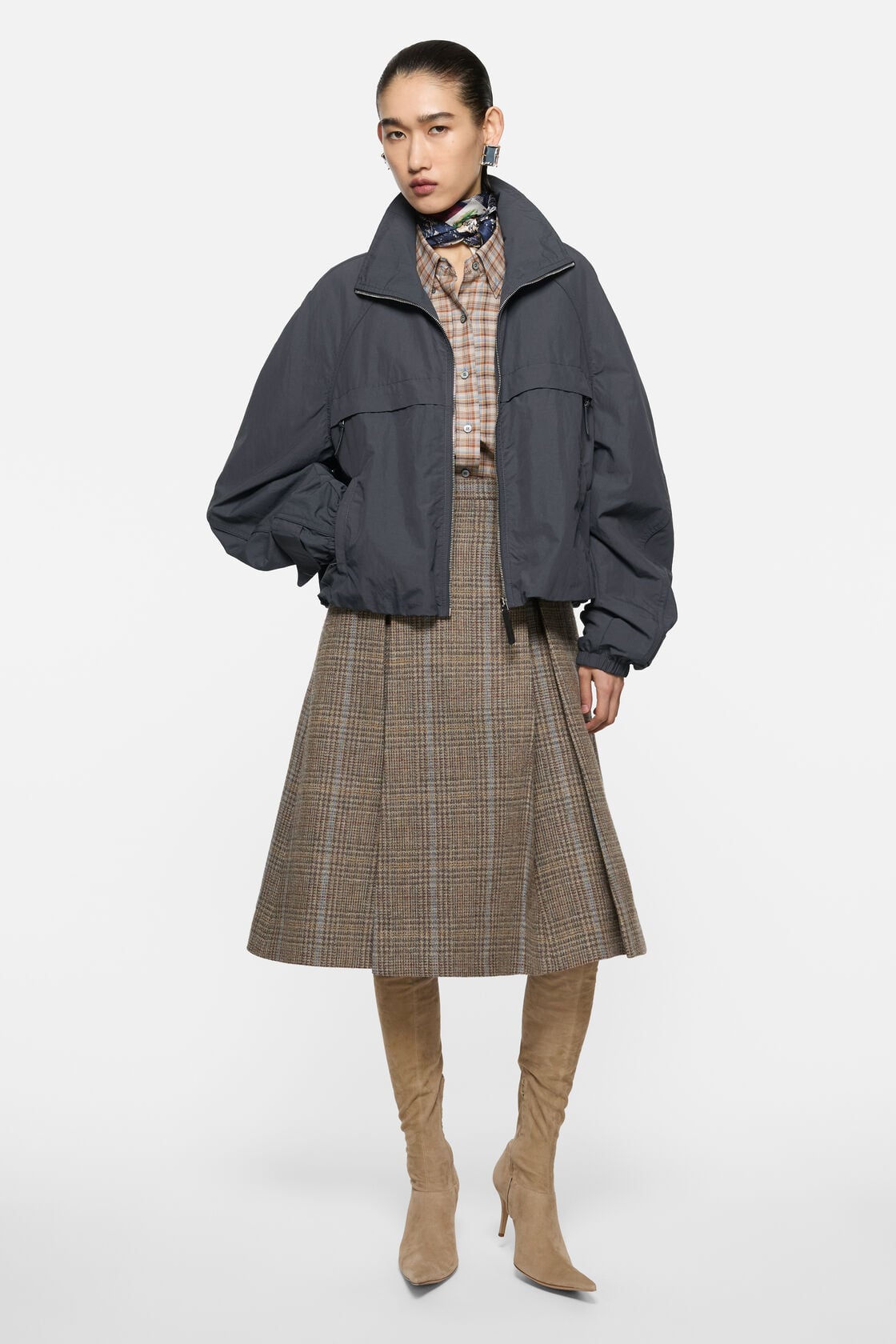
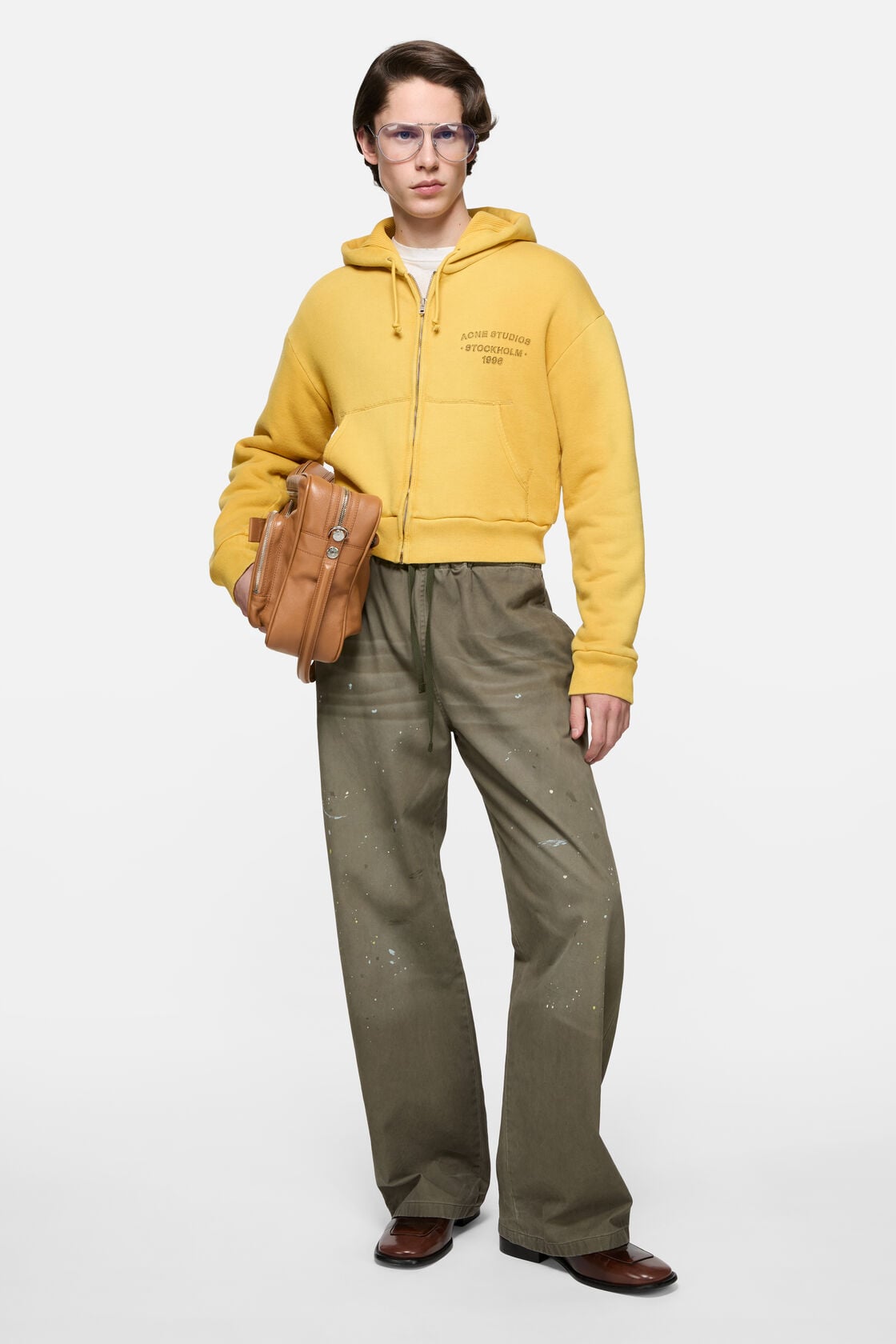
Acne Studios hit its stride in the 2010s, when minimalism was being rewritten by designers who understood that simplicity could carry tension. The maison's shows during this period were spare, almost clinical: concrete floors, white walls, models walking in straight lines. The clothes themselves were softer than the staging suggested. Oversized scarves in mohair and wool. Leather jackets with sleeves that pooled at the wrist. Trousers cut wide through the hip, narrow at the ankle, in a way that looked accidental until you tried to replicate it.
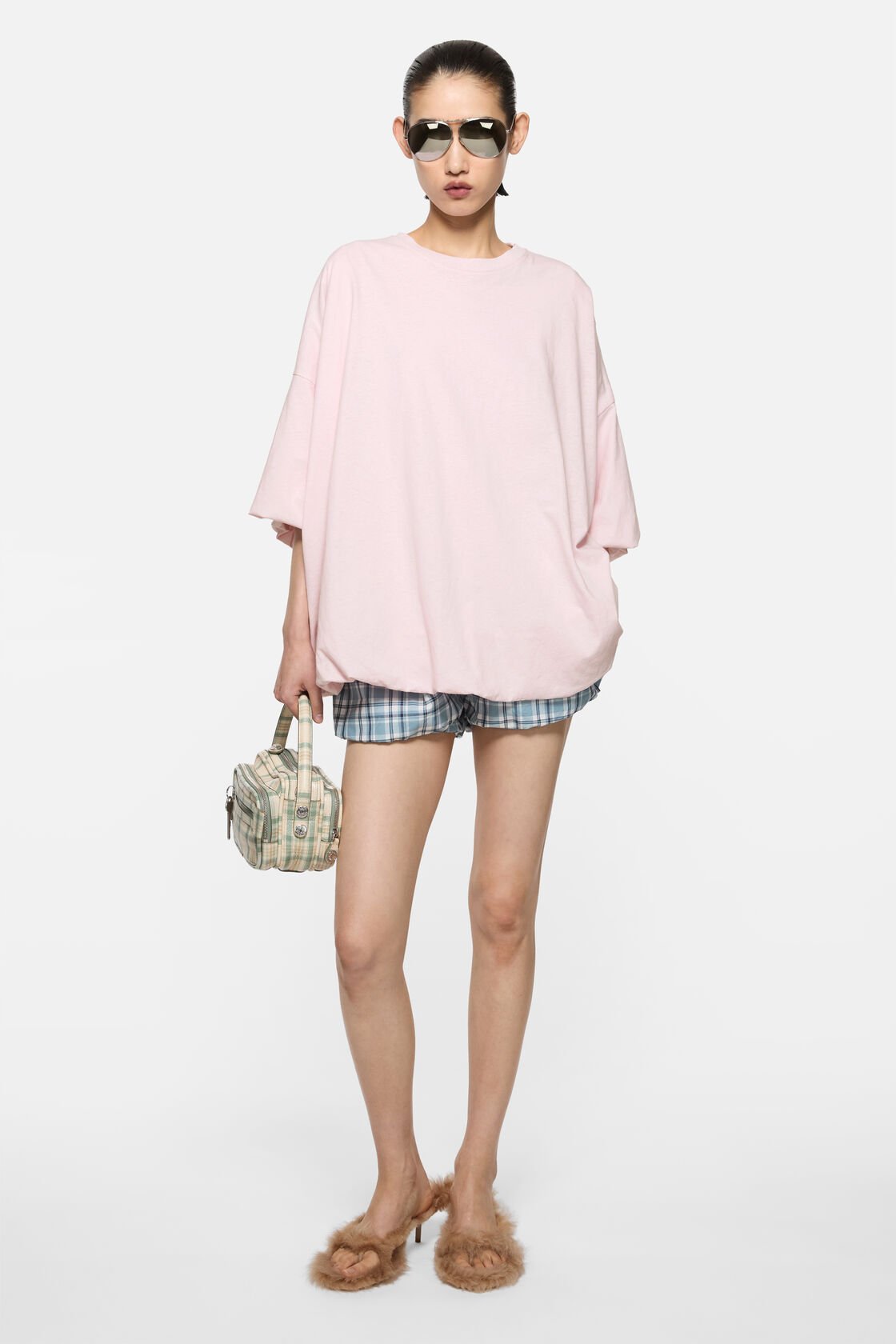
The aesthetic isn't minimal in the Copenhagen sense—it's too idiosyncratic for that. A coat might be perfectly tailored through the shoulders, then balloon at the hem. A sweater might be cropped at the ribs but voluminous through the sleeves. The proportions are off just enough to feel intentional, which is harder to achieve than it sounds.
Johansson has said in interviews that he designs for women who don't want to be noticed, but don't want to disappear either. That middle ground—visible without being loud—is where Acne Studios operates. It's also where the house has found its commercial footing. The brand sells well in cities where fashion literacy is high but overt branding is low: Stockholm, Copenhagen, Berlin, Tokyo, parts of New York.
Current Creative Direction and Market Position
Johansson is still at the helm, which is increasingly rare in an industry that churns through creative directors every three to five years. His tenure has given the house a coherence that many of its peers lack. The collections don't swing wildly between seasons. They accrete. A leather jacket introduced in 2015 might reappear in 2023 with a slightly different shoulder, a marginally shorter hem. The changes are incremental, which means the archive remains wearable.
In 2024, Acne Studios sits in an interesting position. It's no longer the insurgent minimalist house it was fifteen years ago—minimalism itself has been absorbed into the mainstream, diluted by fast fashion and algorithmic curation. But the maison hasn't pivoted into maximalism or irony. It's stayed where it was, which now feels like a choice rather than a default.
The current collections lean into texture more than they used to. Shearling, bouclé, crinkled leather. The colour palette remains muted—grey, camel, black, the occasional rust or olive—but the surfaces have more variation. A coat might be smooth on the outside, raw on the reverse. A sweater might be tightly knit at the body, loose at the cuffs. The details are small enough that they don't photograph well on Instagram, which might be intentional.
The house is owned by Bluestar Alliance, a New York-based investment firm that acquired it in 2022. That raised some eyebrows in the industry—Bluestar also owns Hurley and Scotch & Soda, brands with very different DNA. So far, the acquisition hasn't visibly altered the product. The stores still feel like Acne Studios stores: pale wood, concrete, minimal signage. The clothes still feel like Acne Studios clothes. Whether that holds over the next five years is an open question.
Where to Begin: The Core Pieces
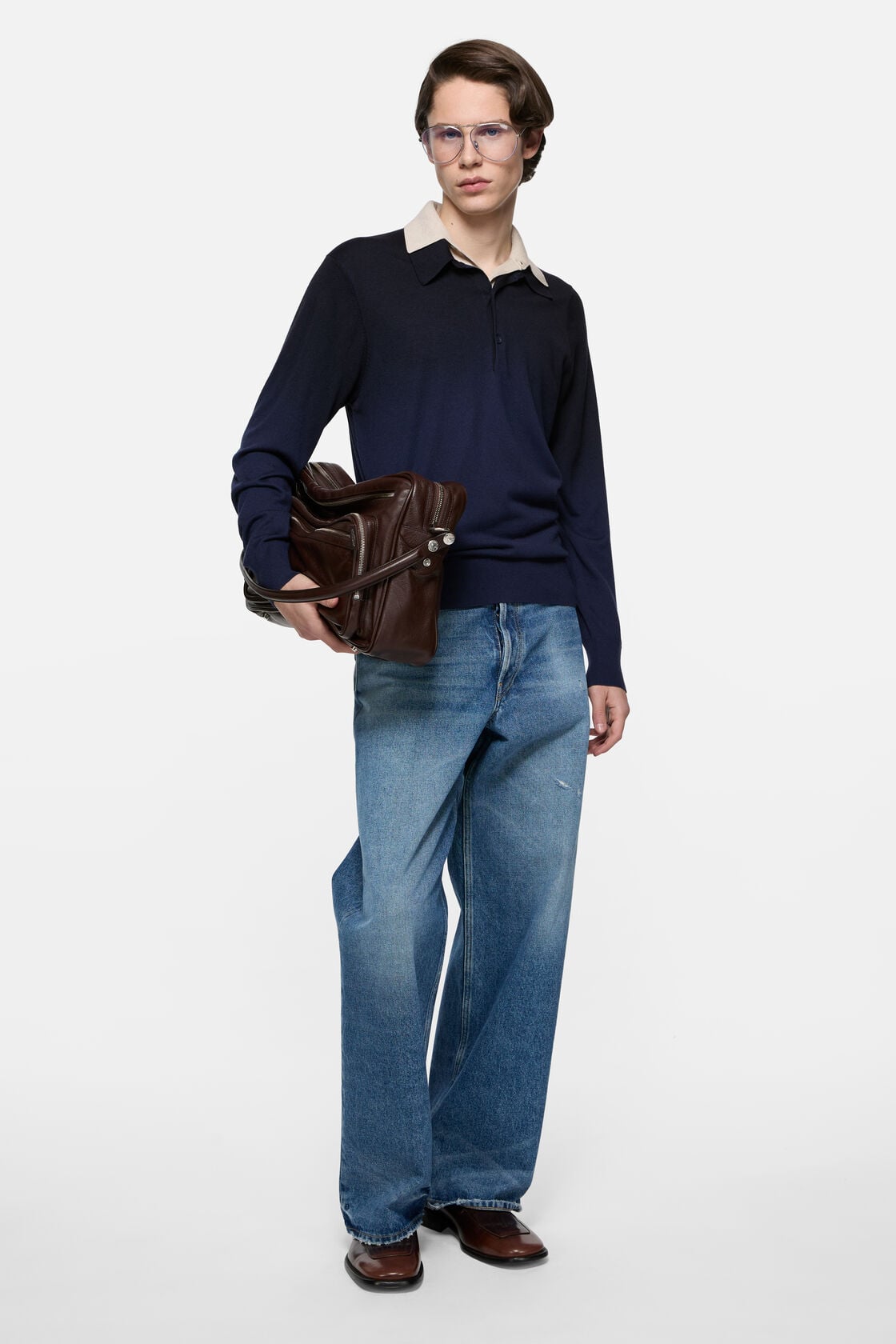
If you're new to Acne Studios, start with denim. The house's jeans—particularly the 1996 and 1997 cuts—are the closest thing it has to a signature. The 1996 is straight-legged, mid-rise, with a slight taper at the ankle. The 1997 is wider through the leg, lower at the waist. Both are cut from rigid denim that takes time to soften. Expect stiffness for the first month, then a gradual moulding to your body. Prices sit around €250, which is high for denim but not absurd given the construction.
The leather jackets are the second entry point. Acne's leather goods are made in Italy, mostly from lamb or calf, and the house doesn't over-finish them. The surface is matte, slightly grainy, and prone to marking. That's not a flaw—it's part of the ageing process. The Merlyn jacket, a boxy moto cut, has been in the collection for over a decade. It runs around €1,800, which is steep but not out of line with comparable pieces from The Row or Lemaire.
Outerwear is where Acne Studios excels. The wool coats—particularly the double-breasted styles—are structured but not stiff. The shoulders are soft, the lapels wide, the sleeves long enough to cover your knuckles if you don't roll them. Expect to pay between €800 and €1,200 depending on the weight of the cloth. The shearling coats, which appear every autumn, start at €2,500 and climb from there.
Knitwear is quieter but equally considered. The house makes oversized crewnecks in merino and cashmere, often with dropped shoulders and ribbed hems that sit loose rather than tight. The fits are generous—size down if you prefer something closer to the body. Prices range from €300 for merino to €600 for cashmere, which is competitive with Jil Sander and COS's higher lines.
Avoid the graphic tees unless you're committed to the logo. The pink label is subtle; the face motif that appears on some T-shirts is not. It's the one place where the house veers into branding for branding's sake, and it doesn't suit the rest of the wardrobe.
What to Know Before You Buy
Acne Studios runs large. The house designs for a Northern European frame, which means longer sleeves, wider shoulders, and a looser fit through the body. If you're used to Italian or French sizing, expect to size down. The sales staff in the boutiques are usually good about this—ask before you commit.
The fabric quality is high but not precious. The leather will scuff. The wool will pill if you don't care for it. The denim will fade unevenly. This isn't a house that finishes everything to a gloss. If you want garments that stay pristine, look elsewhere.
Resale value is moderate. Acne Studios holds its price better than contemporary brands like Ganni or Sandro, but not as well as The Row or Celine. Expect to recoup 40 to 60 per cent of retail if you sell within two years, more if the piece is a core style like the Merlyn jacket or the Canada scarf.
The sales are worth waiting for. Acne runs two major markdowns a year, in January and July, with reductions starting at 30 per cent and climbing to 50 per cent by the end of the season. The boutiques also do private sales for repeat clients, though you need to be on the list. If you're patient, you can build a wardrobe at half the sticker price.
Where the House Stands Now
Acne Studios doesn't chase trends, which means it's never the most exciting thing in the room. It's also never the most dated. The clothes from five years ago still work. The clothes from ten years ago still work. That kind of longevity is rare, and it's what keeps the house relevant even as the industry accelerates around it.
For those just starting, the entry point isn't a single piece. It's a sensibility. If you want clothes that sit quietly in your wardrobe and reveal themselves slowly, Acne Studios will make sense. If you want something that announces itself immediately, it won't.
The sample sale queue in Stockholm still forms an hour early. The women at the front know what they're looking for. The ones at the back are learning. Both leave with something.