The white cotton label is stitched to the outside, four loose threads at each corner
The white cotton label is stitched to the outside, four loose threads at each corner. It reads nothing—just a blank rectangle, a zero where a logo should be. The house number is printed on the reverse, where no one can see it. That is the first code, and the most famous. But there are others.
Maison Margiela built a language in the late eighties that most fashion students can recite: the Tabi boot, the four white stitches, the deconstructed seam. What they forget is the rest of it. The house was never about one boot or one label. It was about a system—a set of rules that Martin Margiela and his team applied to everything they touched, from runway invitations to shop fittings to the way a sleeve was set. Some of those codes are still in play. Others have gone quiet.
The founding logic
Margiela opened the house in 1988 with Jenny Meirens. The first collection was shown in a playground in the 20th arrondissement. Models walked on tarmac. The clothes were white, beige, grey, black. No colour, no ornament, no face. The house refused interviews. Margiela himself never appeared for a bow. The atelier was listed in the phone book under 'Maison Martin Margiela'—not a person, but a place.
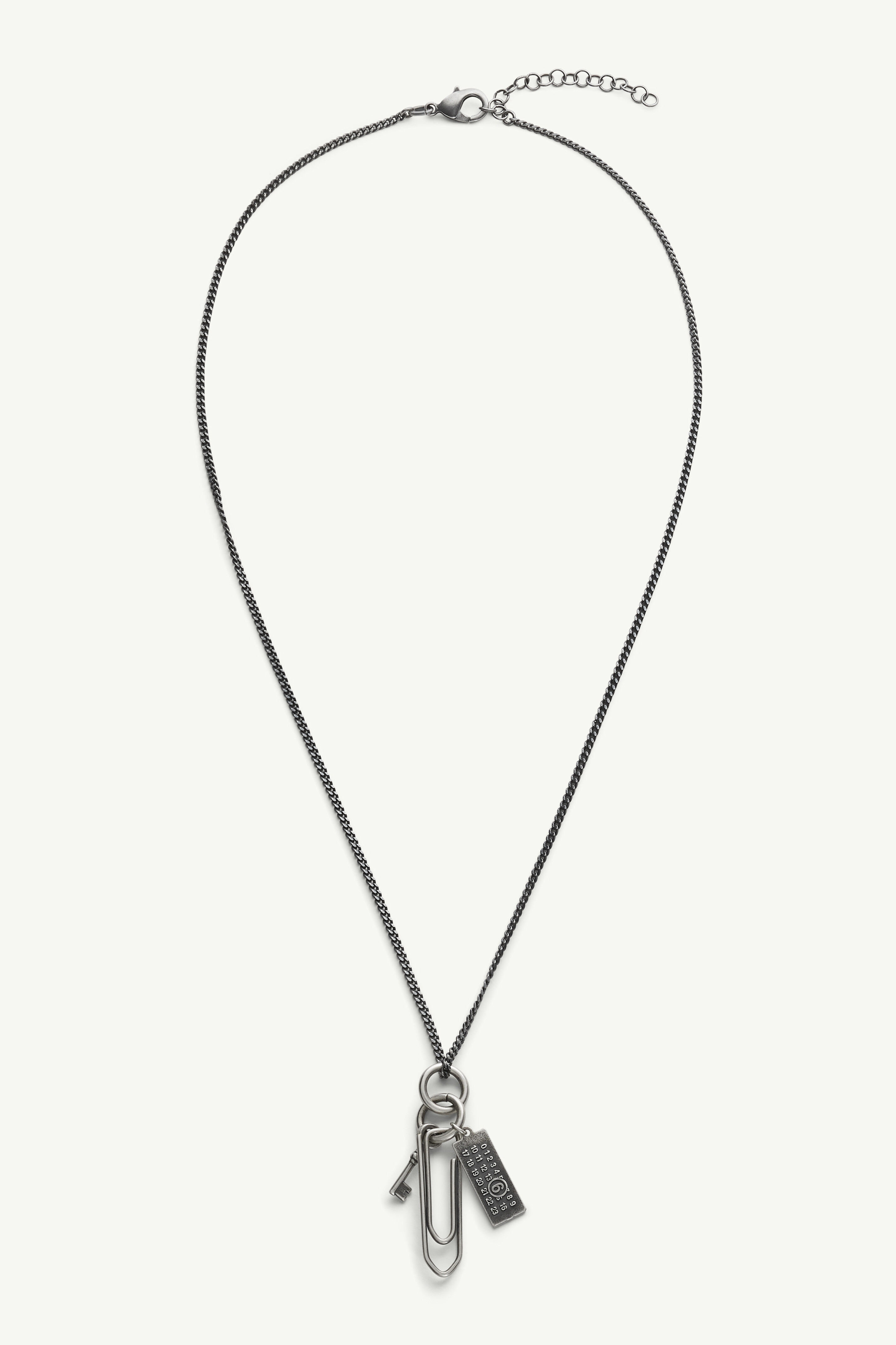
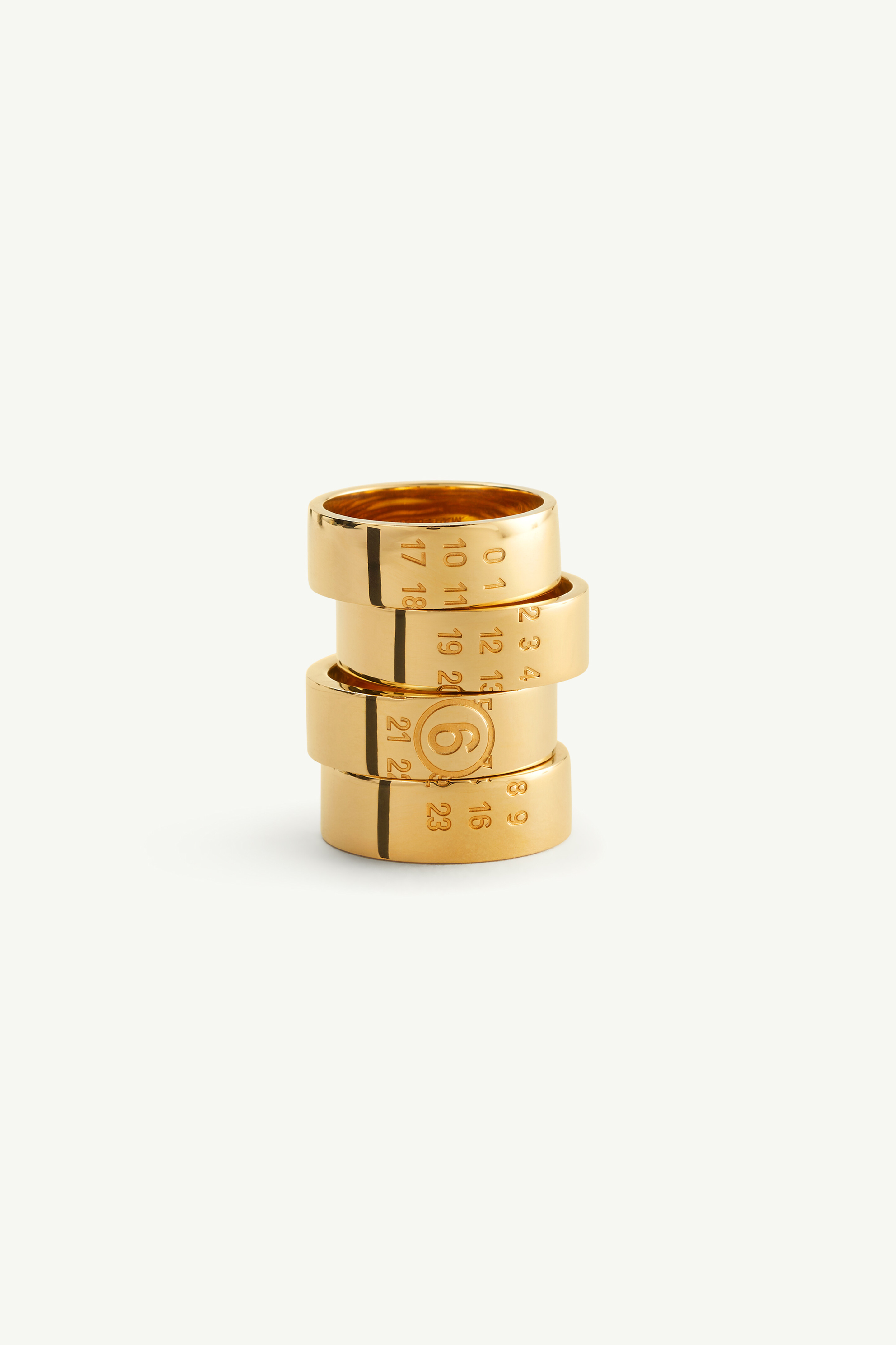
The logic was consistent. Clothes were identified by line number: Line 1 for women's ready-to-wear, Line 6 for basics, Line 10 for menswear, Line 0 for artisanal pieces. The numbers ran from 0 to 23. Each had a function. The system replaced a name. It also replaced a story. You were not buying into a designer's biography. You were buying into a process.
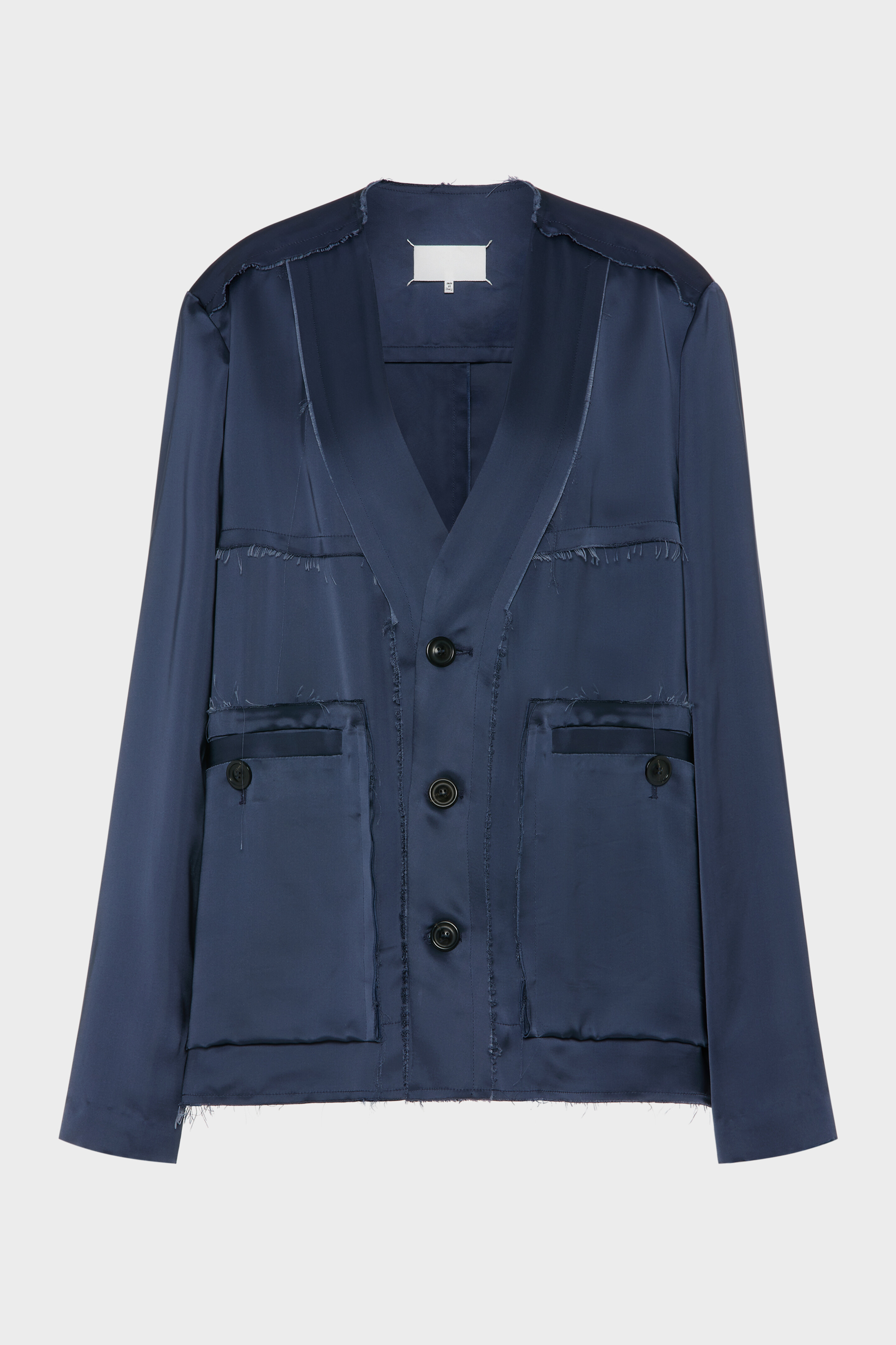
The blank label was part of that process, but so was the way the atelier handled seams. Margiela often left the lining visible, or turned a jacket inside-out and wore it that way. He cut the toe from a sock and made it a sleeve. He took a military surplus jacket, dyed it, and resold it as Line 14. The house called this 'artisanal', but it was closer to collage. The method was to take an existing object, alter it slightly, and present it as new.
This was not deconstruction in the academic sense. It was closer to what a tailor does when he unpicks a shoulder to reset the sleeve. Margiela had trained at the Royal Academy of Fine Arts in Antwerp, then worked as an assistant to Jean Paul Gaultier. He knew how a garment was supposed to go together. His work was about showing that process, not hiding it.
The codes that stuck
The Tabi boot is the most visible code. Margiela saw the split-toe sock in a Japanese museum and turned it into a boot in 1988. It has been in every collection since. The boot works because it is specific. It is not 'inspired by' a Tabi—it is a Tabi, translated into leather. The split toe is not decorative. It changes the way you walk.
The four white stitches are less functional. They mark the blank label at each corner, but they also mark the house. You can remove the label—many owners do—but the stitches remain. They are a signature that does not sign. The house used the same logic for its runway invitations, which were often anonymous or hand-stamped. The spring 1990 show invite was a VHS tape with no label. The autumn 1997 invite was a Polaroid of a white room.
The other code that endured is the use of found objects. Margiela made a waistcoat from a set of vintage leather gloves, fingers intact. He made a dress from a parachute. He made a necklace from a wig. These were not one-offs. The house produced them in small runs and sold them as Line 0, the artisanal line. The pieces were expensive, but they were also reproducible. The atelier kept a stock of vintage gloves and parachutes. The process was systematic.
This is what most people miss. The house was not romantic. It was methodical. Margiela and his team worked from a set of rules, and the rules produced the work. The blank label, the inside-out seam, the repurposed glove—these were not gestures. They were a syntax.
What the archive forgot
Some codes were quieter. Margiela often used medical tape to mark a garment during fittings, then left the tape on for the show. The tape became part of the design. He also used hospital gowns, lab coats, and other institutional uniforms as source material. The house showed these pieces without comment. They were not political. They were simply available.
Another forgotten code: the house rarely used colour. When it did, the colour was often applied after the fact. Margiela would take a white garment, spray it with paint, or dip it in dye, or drag it through mud. The colour was incidental. It was what happened to the garment, not what the garment was.
The house also avoided prints. When a print appeared, it was usually a photograph of another garment, blown up and transferred to fabric. The spring 2006 collection featured dresses printed with images of dresses from previous collections. The effect was flat, like a photocopy. The house was not interested in pattern. It was interested in reproduction.
These codes were never as visible as the Tabi or the label. They did not translate into product. But they defined the house's method. Margiela was not designing clothes. He was designing a system for making clothes. The system could be applied to anything—a sock, a glove, a photograph, a piece of tape. The object did not matter. The process did.
The Galliano era
John Galliano took over as creative director in 2014. The house had been without a named designer since Margiela left in 2009. The atelier continued under a collective model, but the work became quieter. Galliano brought noise.
His first haute couture collection for the house, shown in January 2015, opened with a model in a deconstructed trench, face obscured by a stocking mask. The silhouette was Margiela. The theatricality was Galliano. He kept the codes—the blank label, the Tabi, the artisanal line—but he added volume, colour, and a kind of baroque excess that Margiela had avoided.
Galliano also brought back the face. His models were cast for character. They wore wigs, prosthetics, exaggerated makeup. The house had spent two decades erasing identity. Galliano put it back. He kept the system, but he changed the output.
Some of the original codes have survived. The blank label is still stitched to the outside. The Tabi is still in production. Line 0 still exists. But other codes have faded. The house now uses colour freely. Prints appear. The work is less about process and more about image. Galliano is interested in transformation, not reproduction. The method has shifted.
What remains
The house still operates from the same building on the rue Saint-Maur. The atelier still works from a set of line numbers. The blank label is still blank. But the logic has changed. Margiela built a system that could run without him. Galliano has built a system that cannot.
This is not a criticism. It is a fact. Margiela's codes were designed to be anonymous. Galliano's are not. His work is personal, expressive, and tied to his presence. The house has kept the vocabulary—the Tabi, the label, the four stitches—but the grammar has changed. The codes are still there. They just mean something different now.
The white label is still stitched to the outside. The threads are still loose. But if you turn it over, the house number is harder to read.