The white label is blank
The white label is blank. Four stitches hold it to the garment's inside seam — sometimes the collar, sometimes a side seam, sometimes the waistband. The absence of a logo isn't a statement. It's the statement. You're not meant to cut it off.
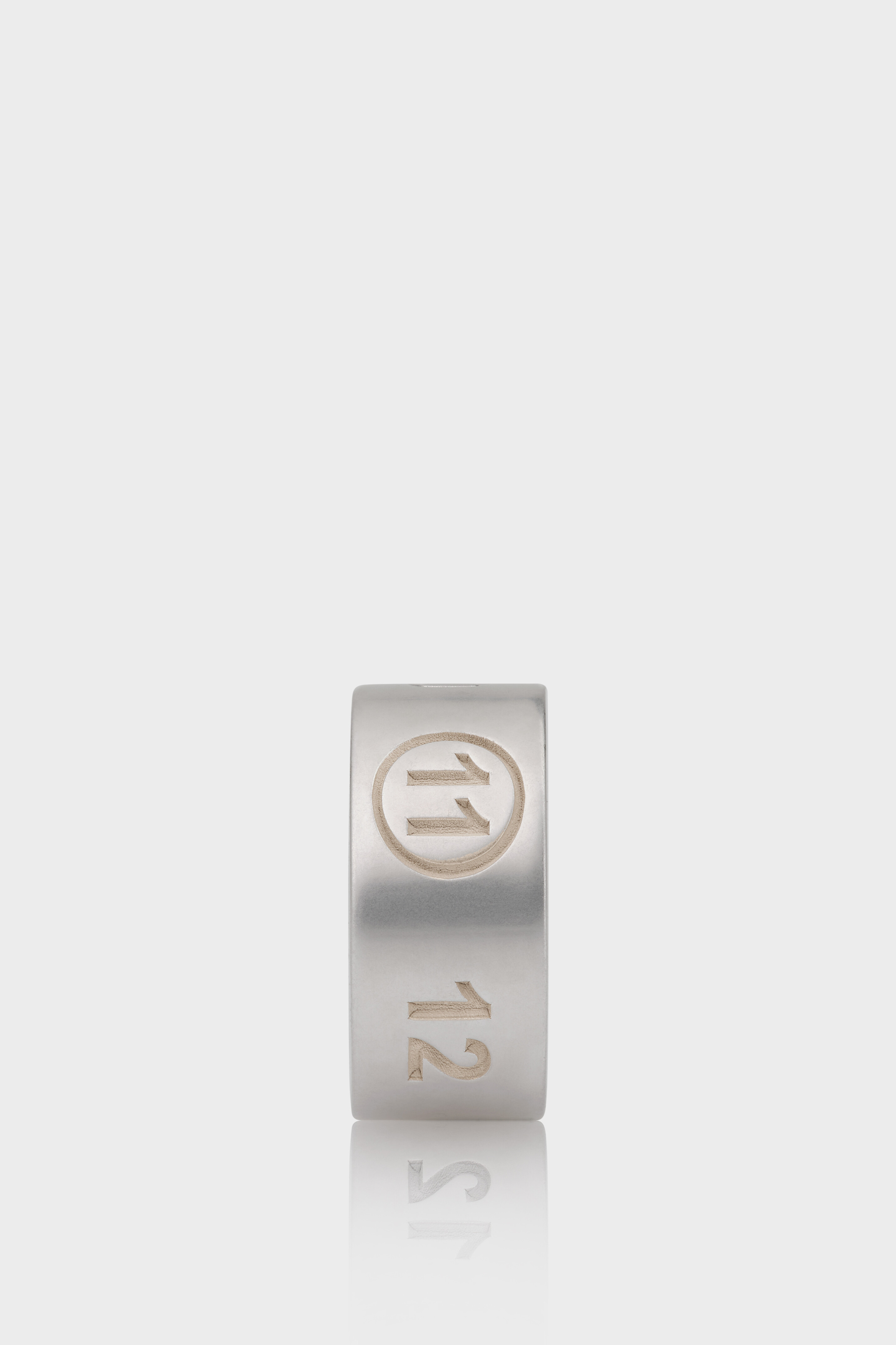
Maison Margiela has been selling clothes without branding since 1988, which makes it both a pioneer of the anti-logo movement and proof that the movement was never really anti anything. The house simply decided that a number stitched into a blank label — 0 for men's, 1 for women's, 6 for basics, 11 for jewellery — was enough. If you knew, you knew. If you didn't, the garment still worked.
That logic holds. Margiela remains one of the few houses where you can walk into a boutique with no prior knowledge and leave with something genuinely strange that will, somehow, make sense in six months. The question isn't whether to buy in. It's where to start.
The founding and the refusal
Martin Margiela founded the house in 1988 with Jenny Meirens, who handled business while Margiela handled everything else. He had trained at Antwerp's Royal Academy and worked under Jean Paul Gaultier, but the clothes he put out under his own name bore no resemblance to either. The first collection featured deconstructed tailoring, exposed linings, and garments made from reclaimed military surplus and flea-market finds. Hems were left raw. Seams sat on the outside. A dress might be a coat turned inside out.
The press called it deconstruction, which Margiela never particularly liked. He wasn't taking things apart for the sake of it. He was showing how they were made, which is different. A shoulder pad moved to the outside of a jacket doesn't destroy the jacket. It just makes you see the architecture.
Margiela himself refused interviews, refused photographs, refused to take a bow at the end of his shows. The house communicated via fax, always in the collective 'we'. When he left in 2009, the departure was announced in a short statement. He has not given an interview since.
That absence is part of the house's DNA now. You don't buy Margiela to align yourself with a designer's persona. You buy it because the clothes do something other clothes don't.
What the house actually makes
Margiela's output divides into two broad camps: the conceptual pieces that end up in museum exhibitions, and the wearable pieces that end up in wardrobes. The former includes the Tabi boot, the oversized tailoring, the painted garments, the Replica sneakers. The latter includes… the Tabi boot, the oversized tailoring, the painted garments, the Replica sneakers.
The Tabi is the clearest example. A split-toe boot based on a fifteenth-century Japanese sock, it debuted in the first collection and has been in production ever since. It is deeply weird. It is also, if you wear it three times, the only boot that makes sense. The split toe changes your gait slightly, redistributes weight, makes you aware of the ground. You can get them in leather, in patent, in canvas, in heights from ankle to knee. Prices start around €500 for a canvas flat and climb past €1,200 for a leather knee-high.
If the Tabi feels like too much of a leap, the Replica sneaker is the safest entry. Launched in 2016, the line reproduces vintage sportswear silhouettes — German Army Trainers, '70s tennis shoes, paint-splattered runners — with Margiela's usual attention to materials and construction. They look like something you'd find in a thrift shop, except they fit properly and the leather doesn't crack after a month. Expect to pay €400 to €550.
The house's tailoring runs large and boxy, with dropped shoulders and elongated sleeves. It's cut to look slightly wrong, which means it looks right in a way that traditional tailoring doesn't. A Margiela blazer won't give you a clean shoulder line. It will give you volume and a certain unfinished quality that reads, paradoxically, as more considered than a crisp Savile Row cut. Jackets start around €1,200. Trousers sit closer to €600.
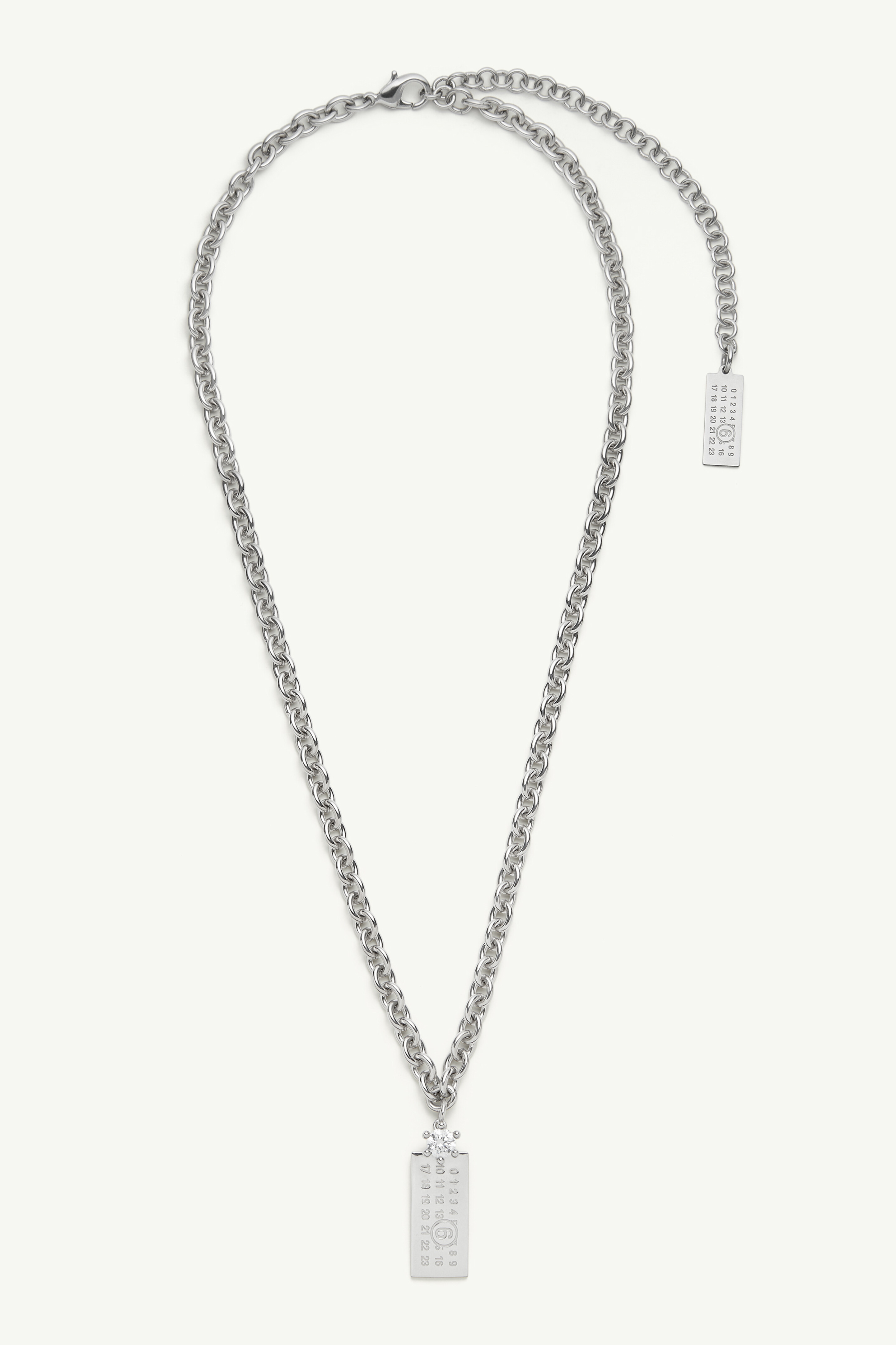
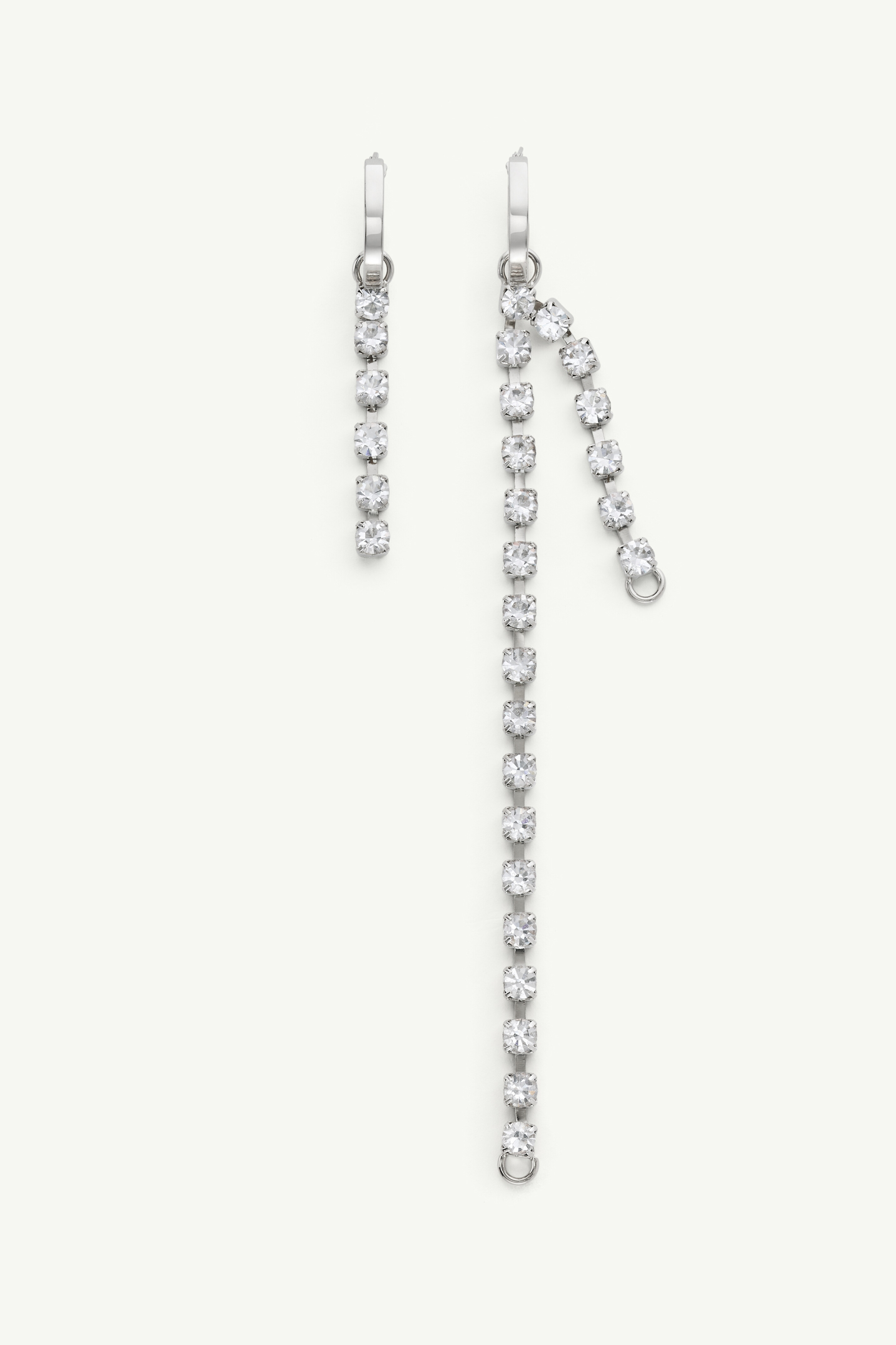
Then there's the jewellery, which operates under the same logic as the clothing: take a familiar object, shift it slightly, see what happens. The house produces chunky chain necklaces, oversized rings, and earrings that look like they were made from scrap metal. They're not subtle. They're also not trying to be. A single piece will do more to shift an outfit than a new coat. Rings start around €200. Necklaces can reach €800.
Galliano's tenure and the current house
John Galliano took over as creative director in 2014, which seemed like a catastrophic mismatch. Galliano built his name on historical fantasy and theatrical excess. Margiela built its name on restraint and refusal. The first Galliano collection for the house featured Artisanal pieces — one-offs made from reclaimed materials — that looked like Galliano doing Margiela cosplay.
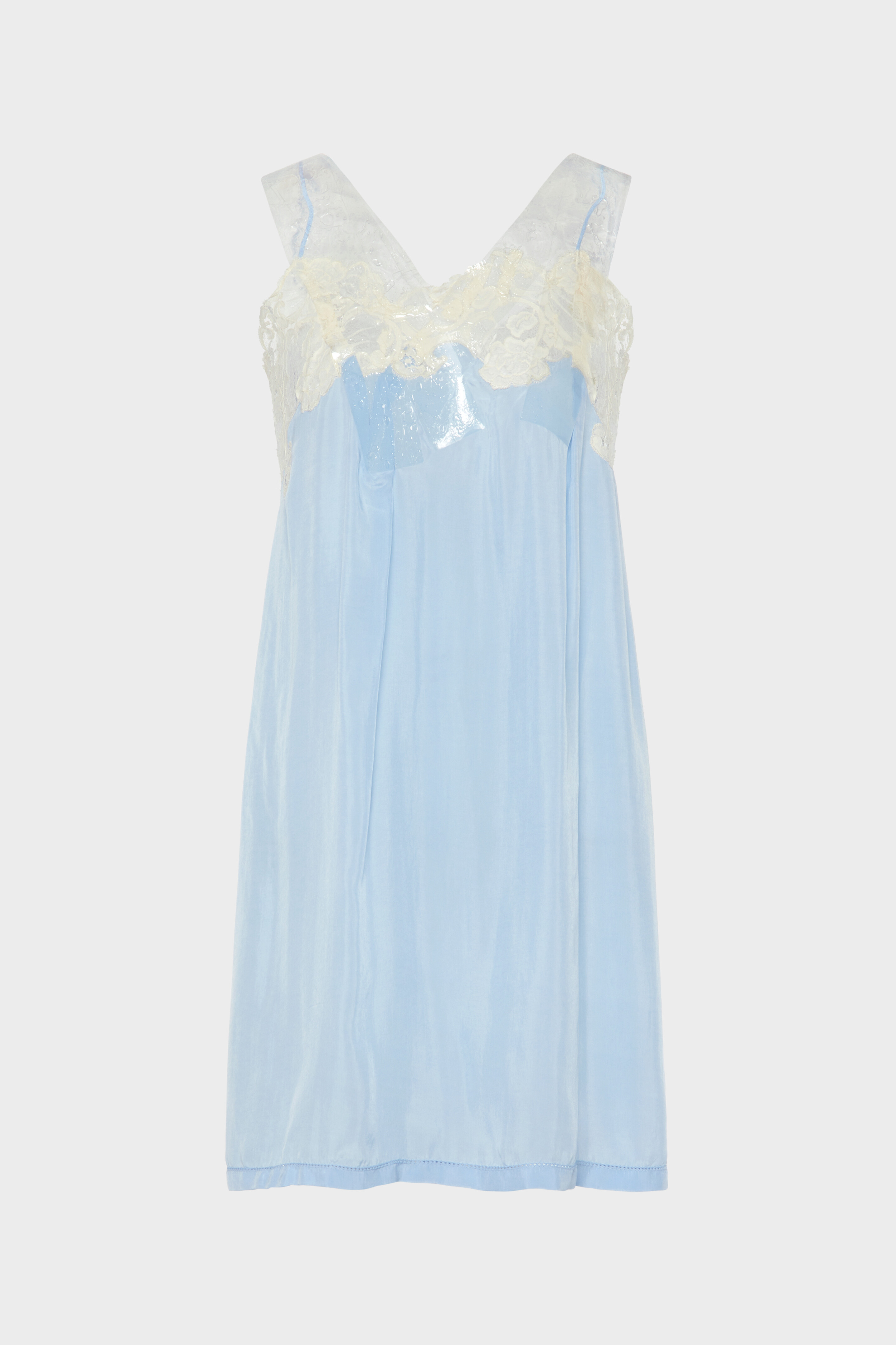
Then something shifted. Galliano stopped trying to channel the founder and started using the house's codes as a framework for his own ideas. The Tabi stayed. The blank label stayed. The deconstruction stayed. But the silhouettes grew more exaggerated, the references more overt, the craftsmanship more visible. A jacket might be constructed from a duvet. A dress might be made entirely of gloves. The question was no longer 'What is this?' but 'How did they make this?'
The Artisanal line remains the most experimental, but it's also the least accessible. These are one-off pieces shown on the runway and sold, occasionally, to private clients. If you want to buy Galliano-era Margiela, you're looking at the main line, which translates the runway ideas into wearable forms.
The house's current aesthetic leans into artifice. Trompe-l'œil prints make flat fabric look three-dimensional. Distressed finishes are applied by hand. Garments are 'aged' in ways that make them look like they've been worn for years. It's all constructed, all deliberate, and it doesn't pretend otherwise.
Where to start
If you're walking into Margiela cold, start with the accessories. A Tabi flat or a Glam Slam bag — the quilted, padded style that looks like a sleeping bag folded into a purse — will shift how you see the rest of your wardrobe without requiring you to rethink your entire approach to dressing. The Glam Slam starts around €1,000 for a small crossbody and climbs to €2,500 for a larger tote. It's not a quiet bag, but it's not loud in the way a logo bag is loud. It simply takes up space.
The house's basics line — numbered 6 for women, 14 for men — offers T-shirts, sweatshirts, and jersey pieces at lower price points. A cotton T-shirt runs around €150. A hoodie sits closer to €400. These aren't basics in the sense of being plain. They're basics in the sense of being foundational. The cuts are slightly off. The proportions are slightly wrong. You'll wear them more than anything else you own.
For clothing, the safest entry is a piece that plays with a familiar form. An oversized blazer. A deconstructed trench. A jersey dress with an exposed seam. These are recognisable enough that you won't feel costumed, but strange enough that they'll change how you move. Expect to pay €800 to €1,500 for a dress, €1,200 to €2,000 for a coat.
Avoid the runway pieces unless you know exactly what you're doing. A dress made from reclaimed scarves or a jacket constructed from a duvet requires a level of commitment that most wardrobes can't support. These are statement pieces in the most literal sense. They make a statement, and then they sit in your wardrobe because you can't figure out what to wear them with.
The four white stitches
There's a Margiela piece in the permanent collection at the Met. It's a waistcoat made from a vintage military jacket, turned inside out, with the lining on the outside and the seams exposed. The label is still blank. The four stitches are still there.
You can see the same stitches on a T-shirt in a boutique in Paris, on a Tabi boot in a department store in London, on a Replica sneaker in a resale shop in New York. The house has changed hands, changed direction, changed scale. The stitches haven't moved.