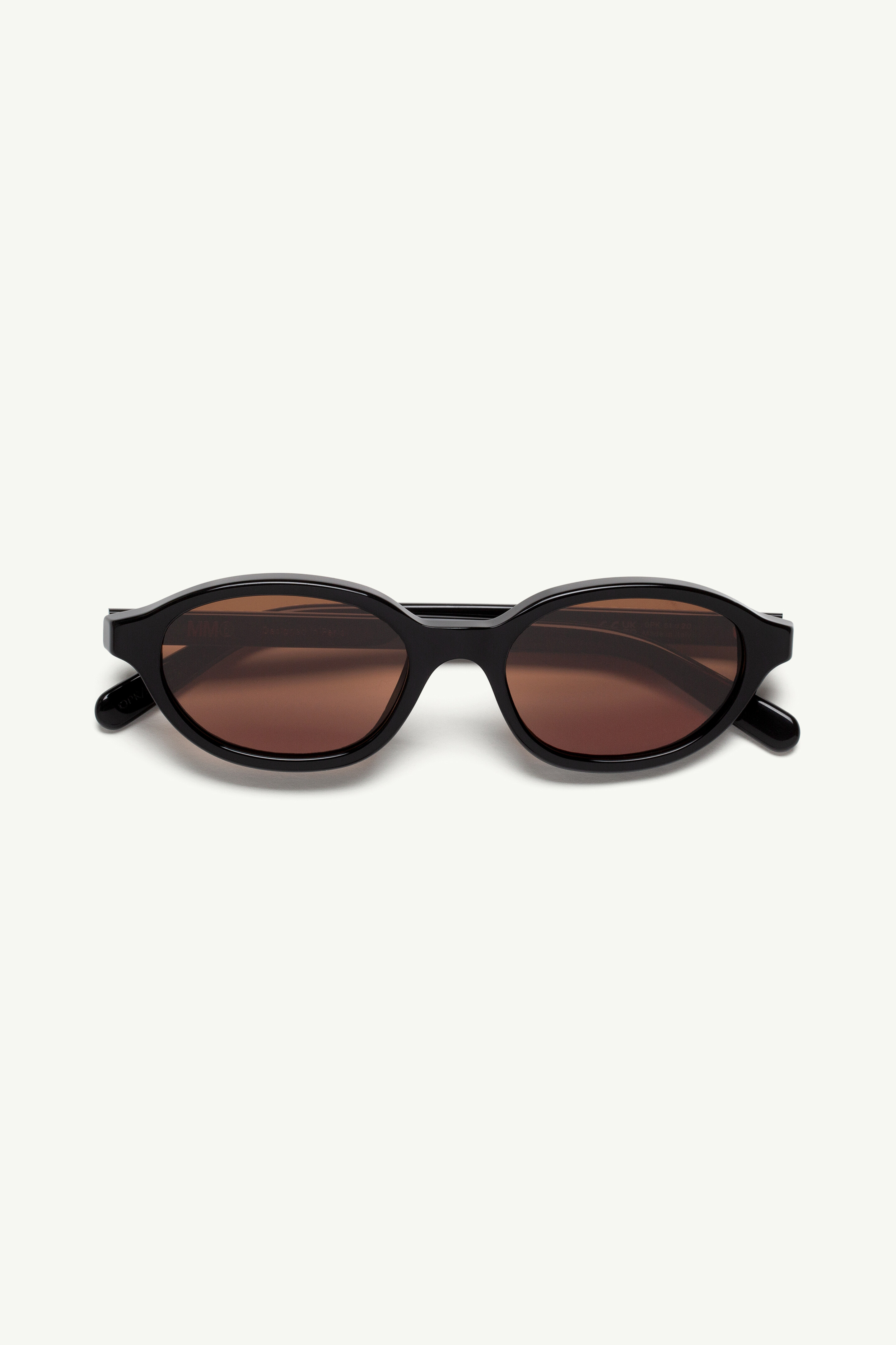
The white label is stitched on the outside
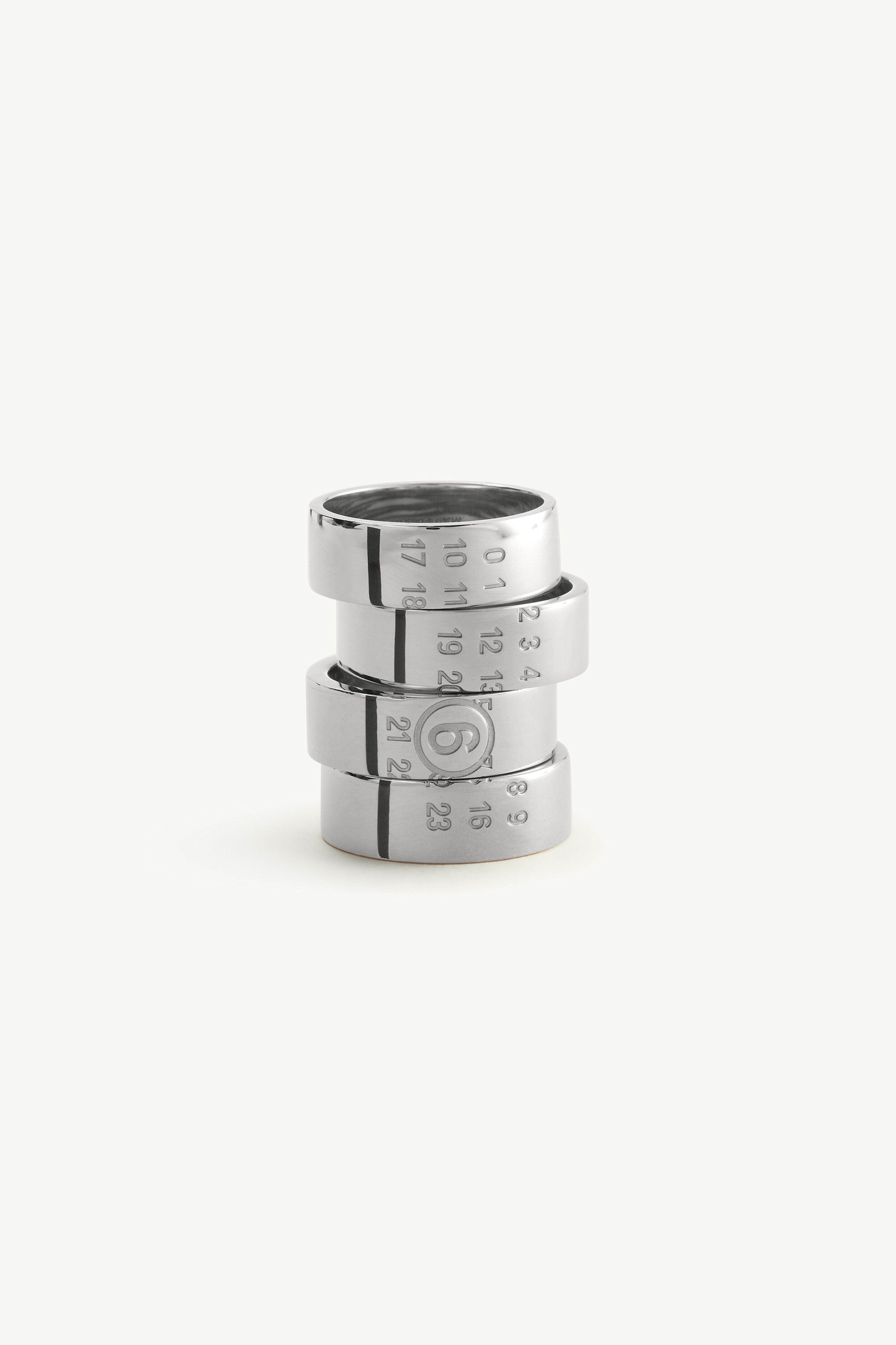
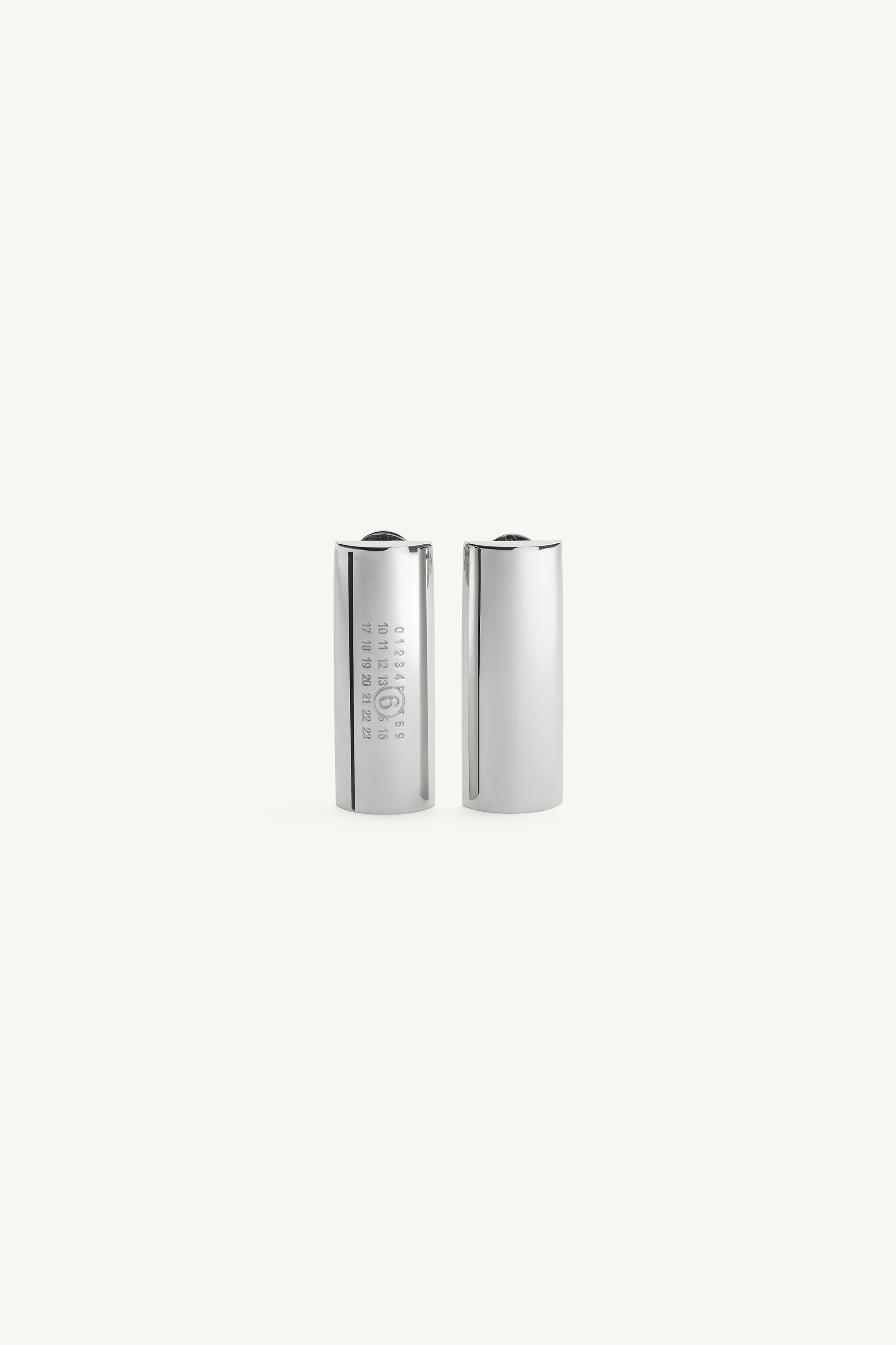
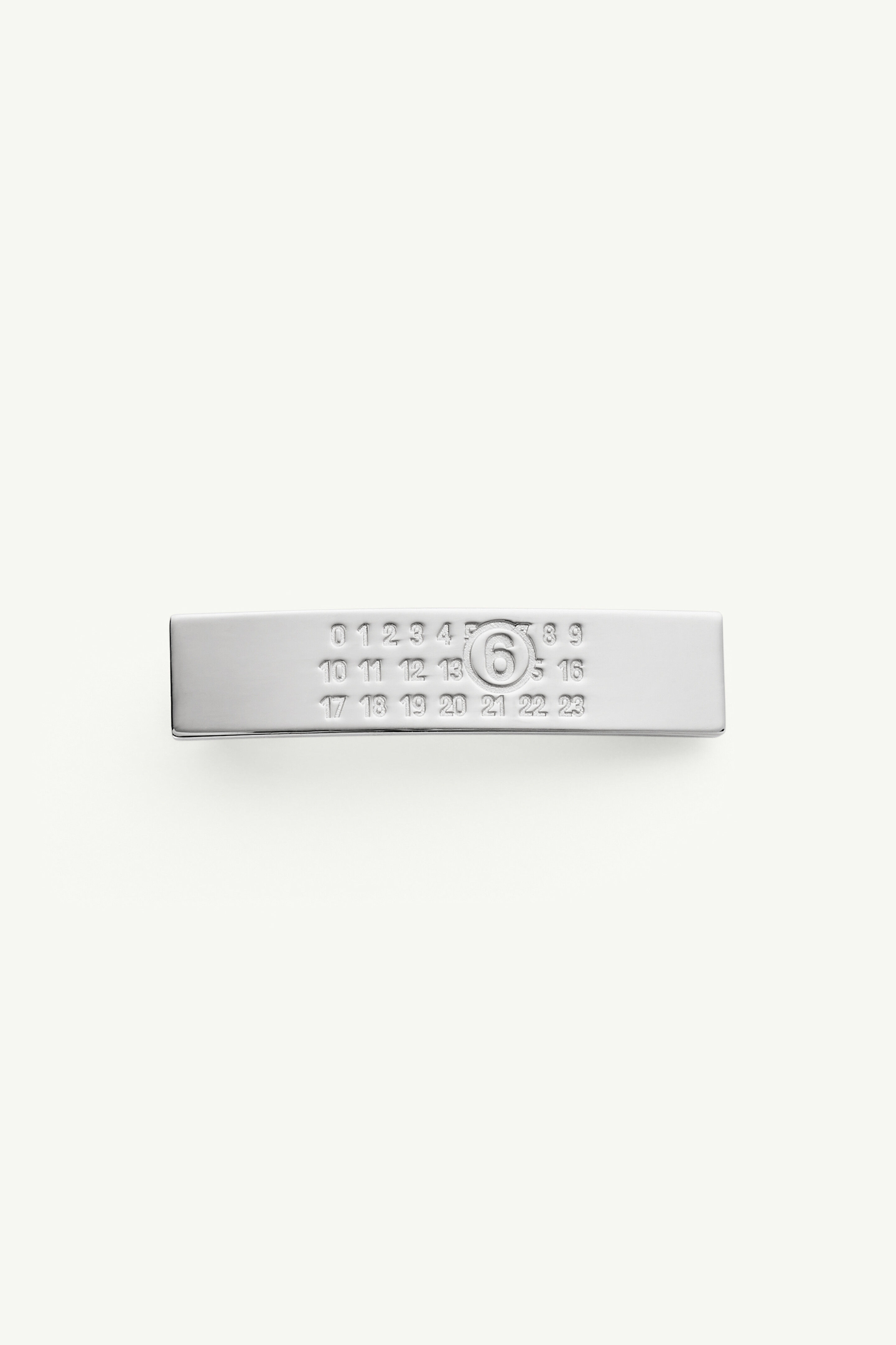
The white label is stitched on the outside. Four white threads hold it in place at each corner, the kind of detail that looks unfinished until you realise it's the point. The label itself is blank except for a series of numbers printed in a grid, one of them circled in black ink to indicate the line. Zero through twenty-three. Most of the time it's 1, which means womenswear. Sometimes it's 14, which used to mean menswear and now means nothing because the lines merged in 2008. The label is the house code. It's also the first thing you need to understand about Margiela: the system came before the celebrity.
Martin Margiela founded the house in 1988 with Jenny Meirens. He'd worked under Gaultier, learned pattern-cutting in Antwerp, and arrived in Paris with a specific idea about what fashion could be if you stripped away the performance. No face, no interviews, no bow at the end of the show. The work spoke, or it didn't. Early collections were shown in abandoned Metro stations, car parks, playgrounds. Models wore Tabi boots—split-toe, based on a Japanese work shoe—that became the house signature before anyone knew there would be a house. Margiela deconstructed tailoring the way others merely referenced it. He took apart a men's suit and turned it into a women's waistcoat. He lined evening dresses with the label on the outside. He made a waistcoat from a vintage military sock. The pieces weren't conceptual for the sake of it. They worked. You could wear them.
The anonymous approach held until 2009, when Margiela left the house that bore his name. By then the vocabulary was established: deconstruction, the Tabi, the white label, the artisanal line (hand-finished, one-offs, often using vintage materials), the runway shows that felt more like installations than catwalks. John Galliano took over in 2014, and the house shifted. Galliano kept the codes but added his own theatre. The Tabi stayed. The blank label stayed. The rest became louder, more ornate, occasionally Baroque. Galliano's Margiela is less interested in absence and more interested in excess filtered through the original codes. It works because he respects the grammar even when he's shouting.
What you're buying into
Margiela is not a beginner house in the traditional sense. The cuts assume you know what a deconstructed shoulder looks like. The Tabi assumes you're comfortable with a boot that splits your big toe from the rest. But if you're starting here, you're starting with a house that has always made room for the outsider. The pieces don't require you to have attended the shows or read the theory. They require you to be comfortable with something that doesn't look like everything else.
The entry point is usually the Tabi. The boot comes in leather, patent, suede, canvas, and about forty other variations depending on the season. Heel heights range from flat to 10cm. The split toe is non-negotiable. Prices start around €595 for a flat ankle boot and climb to €1,200 for knee-high leather. They fit narrow, so size up if you're between sizes. The toe box takes a week to break in. After that, they're the most comfortable boots you'll own, provided you've made peace with the fact that people will ask about them.
If the Tabi feels like too much of a statement, the Replica sneaker is the quieter option. It's based on a German Army trainer from the 1970s, reproduced with the same materials and construction. It looks like a sneaker your dad might have worn, which is the point. Prices sit around €450. They work with everything and announce nothing, which makes them useful if you want the house's approach without the house's visual volume.
The Glam Slam bag arrived under Galliano and became the accessible signature piece. It's quilted, puffy, structured like a Chanel but softer and less rigid. Sizes range from a phone pouch to a weekender. The small crossbody starts at €990, the medium tote at €1,650. The quilting is dense enough to hold its shape but light enough not to look like outerwear. It's one of the few Margiela pieces that reads as straightforwardly luxurious without requiring a footnote.
For clothing, the white cotton poplin shirt is a recurring piece each season. It's cut overseer, often with an exposed seam or an inverted collar. Prices hover around €590. The knit sweaters—chunky, often in merino or cashmere blends—start at €750 and go up depending on the construction. Galliano's era has introduced more embellishment: crystal-trimmed cardigans, distressed hems, raw edges that look unfinished but cost more because of it. The artisanal line, shown during Couture Week, is hand-finished and priced accordingly. A single coat can run €8,000. Those pieces are for collectors, not beginners.
The codes you'll see repeated
The four stitches. The blank label. The Tabi. These are the house pillars, and they appear in every collection. But there are secondary codes that show up often enough to be considered part of the vocabulary.
The artisanal line uses vintage and deadstock materials. A jacket might be made from a 1950s military blanket. A dress might incorporate lace from an old tablecloth. The construction is visible—raw hems, exposed seams, hand-stitching that looks rough until you realise it's precise. These pieces are numbered and often one-of-a-kind. They're also the most expensive and the least practical.
The Replica line reproduces garments from other eras: a 1950s jazz shoe, a 1970s sneaker, a 1980s windbreaker. The reproductions are exact, down to the materials and the labelling. It's an exercise in copying as creation, which is very Margiela. The Replica sneakers are the most accessible entry into this concept.
The deconstructed tailoring is less common now than it was under Martin, but it still appears. A blazer with the lining on the outside. A trench coat with the seams exposed. A waistcoat made from a reconfigured men's shirt. The cuts are precise, but the finish is deliberately raw. It's tailoring that acknowledges its own construction, which makes it feel honest in a way that most tailoring doesn't.
Where the house is now
Galliano's Margiela is divisive. Purists argue it's too loud, too decorative, too much Galliano and not enough Margiela. Others argue it's the only way the house could have survived. Both are probably right. The collections are theatrical, occasionally overwhelming, often beautiful in a way that borders on grotesque. The craftsmanship is extraordinary. The prices reflect that.
The house shows during Paris Couture Week and Paris Fashion Week. The runway presentations are events—models in prosthetics, faces obscured, bodies distorted. Galliano uses the runway as a space to explore identity, transformation, and the limits of the body. It's fashion as performance art, which is either what you want from Margiela or exactly what you don't.
The commercial line—what you'll find in stores—is quieter. The Tabi, the Glam Slam, the Replica sneakers, the oversized shirting. These are the pieces that sustain the house financially and allow Galliano to push the artisanal line into stranger territory. If you're starting with Margiela, you're starting with the commercial line. The artisanal pieces are for later, if at all.
What to know before you buy
Margiela fits slim through the body and oversized through the shoulders. The proportions are deliberate but not always intuitive. Try things on. The Tabi runs narrow. The Replica runs true to size. The Glam Slam is lighter than it looks.
The resale market is strong. Vintage Margiela from the Martin era—anything before 2009—holds value and often appreciates. Galliano-era pieces are harder to predict. The Tabi and the Glam Slam resell well. The more conceptual runway pieces are harder to move unless they're from a particularly notable collection.
The house doesn't do sales in the traditional sense. End-of-season markdowns happen, but they're modest. If you're buying Margiela, you're buying at full price or you're buying vintage.
The white label will fray. The stitches will loosen. The raw hems will continue to fray. This is not poor construction. This is the aesthetic. If you want something that looks pristine after five years, buy elsewhere.
The Tabi boot was based on a split-toe work shoe Margiela found in a Tokyo flea market in the 1980s. He reproduced it for his second collection in 1989. The models walked carefully, uncertain in the unfamiliar silhouette. Thirty-five years later, the boot is still in production, still splitting the toe, still making people walk a little differently. That's the house in one object: a functional garment made strange, or a strange garment made functional. Either way, it works.