The white shirt arrives in a black box with a single word embossed in silver
The white shirt arrives in a black box with a single word embossed in silver. Inside, tissue paper the texture of parchment. The shirt itself weighs almost nothing. Poplin so fine it catches light at the shoulder seam. The label reads Givenchy, and the price — €690 — sits in that narrow band where you pause before committing. Not aspirational. Accessible, if you plan for it.
This is the threshold many cross when they begin with Givenchy. Not the couture gowns Audrey Hepburn wore in Sabrina. Not the Antigona bag that appeared on every arm in 2012. A shirt. A pair of trousers. Something quiet enough to wear twice a week but specific enough that you notice the cut every time you pass a mirror.
Hubert and the architecture of restraint
Hubert de Givenchy opened his atelier on rue Alfred de Vigny in 1952. He was twenty-four. The first collection featured separates — blouses that could be tucked or left loose, skirts with clean waistbands, a shirt-dress he called Bettina after the model who wore it. This was a departure. Dior's New Look still held Paris in its grip, all nipped waists and wide skirts that required scaffolding. Givenchy proposed something else: clothes a woman could move in without assistance.
The silhouette he built his name on was narrow through the body, elongated at the shoulder, often finished with a single strong detail — a bow at the back, an asymmetric neckline, a sleeve that ended precisely at the wrist bone. He trained under Schiaparelli, worked briefly at Lelong, absorbed Balenciaga's approach to volume and negative space. What emerged was a language of reduction. He removed until only the essential gesture remained.
Hepburn became his most visible collaborator. The black Givenchy dress from Breakfast at Tiffany's — sleeveless, bateau neck, hem just below the knee — was not designed for the film. It came from his autumn 1961 collection. The costume designer Edith Head received the Oscar, but Hepburn wore Givenchy in nearly every film that followed. That relationship, spanning four decades, established the house codes: graphic simplicity, a refusal of excess, the conviction that elegance is a form of discipline.
What remains, what shifted
Givenchy sold the house to LVMH in 1988 and retired in 1995. What followed was a sequence of creative directors, each attempting to reconcile the founder's restraint with the commercial pressures of a conglomerate-owned maison. John Galliano lasted eight months. Alexander McQueen brought provocation and a darker palette but left after five years. Julien Macdonald leaned into embellishment. Riccardo Tisci arrived in 2005 and stayed for twelve years — the longest tenure since Hubert himself.
Tisci's Givenchy fused gothic romanticism with streetwear gestures. Rottweiler graphics on sweatshirts. Shark-lock boots. The Antigona bag, introduced in 2010, became the house's most recognizable accessory: structured trapezoid body, double top handles, discreet logo. It sold because it worked — not as a statement piece but as a daily carrier that happened to hold its shape under weight.
Clare Waight Keller took over in 2017. She made the wedding dress Meghan Markle wore to marry Prince Harry, a bateau-neck gown that directly referenced the 1961 Hepburn silhouette. The gesture was clear: Givenchy as a house of clean lines and historical continuity. She left in 2020.
Matthew M. Williams arrived from Alyx and 1017 ALYX 9SM, his own label rooted in hardware, technical fabrication, and a California pragmatism. His first collection for Givenchy featured chain-link closures, utilitarian pockets, leather worked until it moved like jersey. The codes shifted again. Less about the salon, more about the street. The Antigona remained in the lineup. So did the white shirt. But the surrounding vocabulary changed.
Entry points at three price bands
If you are beginning with Givenchy now, the question is not whether the house still matters — it does, though differently than it did in 1952 or 2012. The question is where to enter without overpaying for logo or underpaying for construction that will not last.
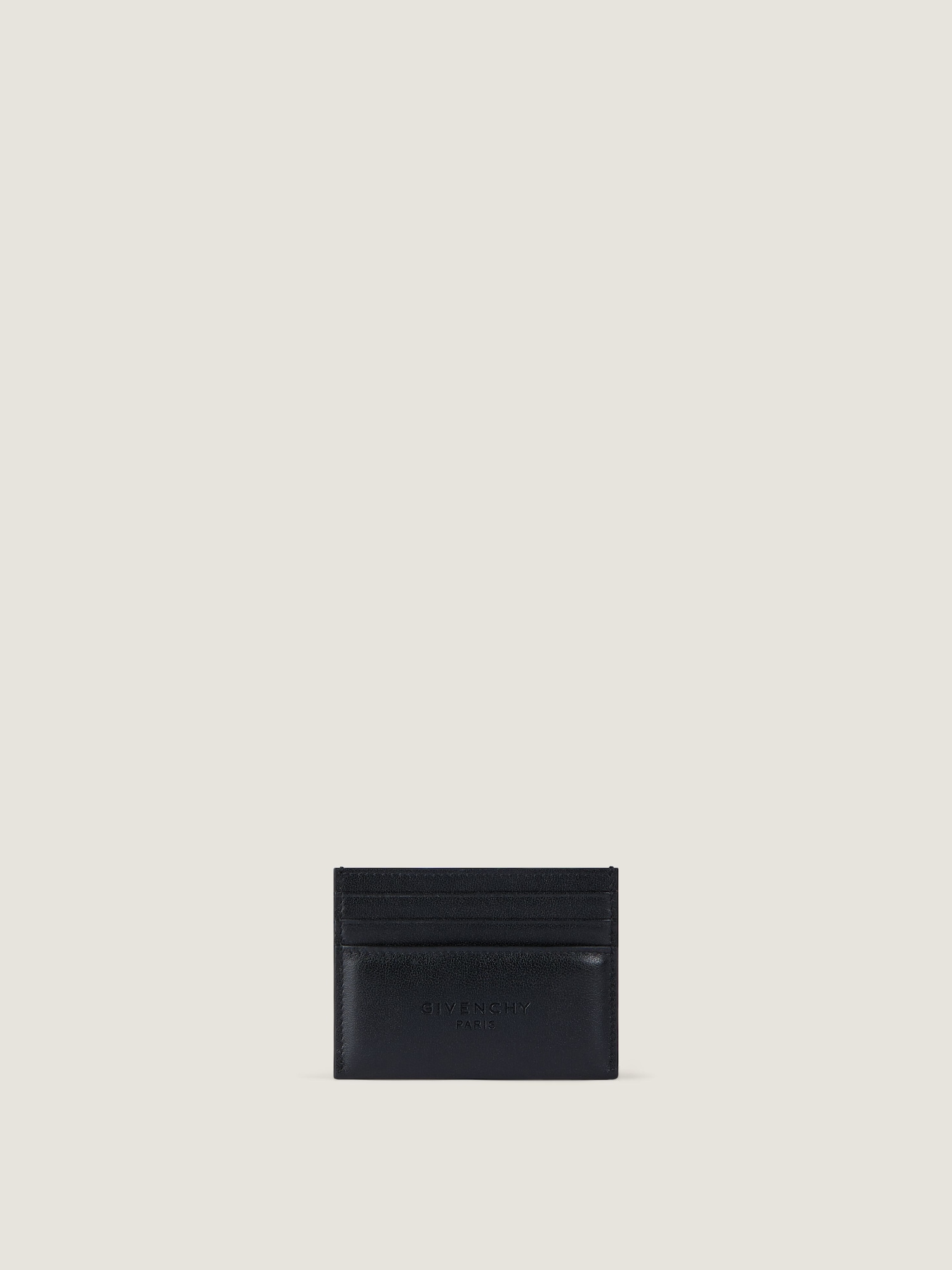
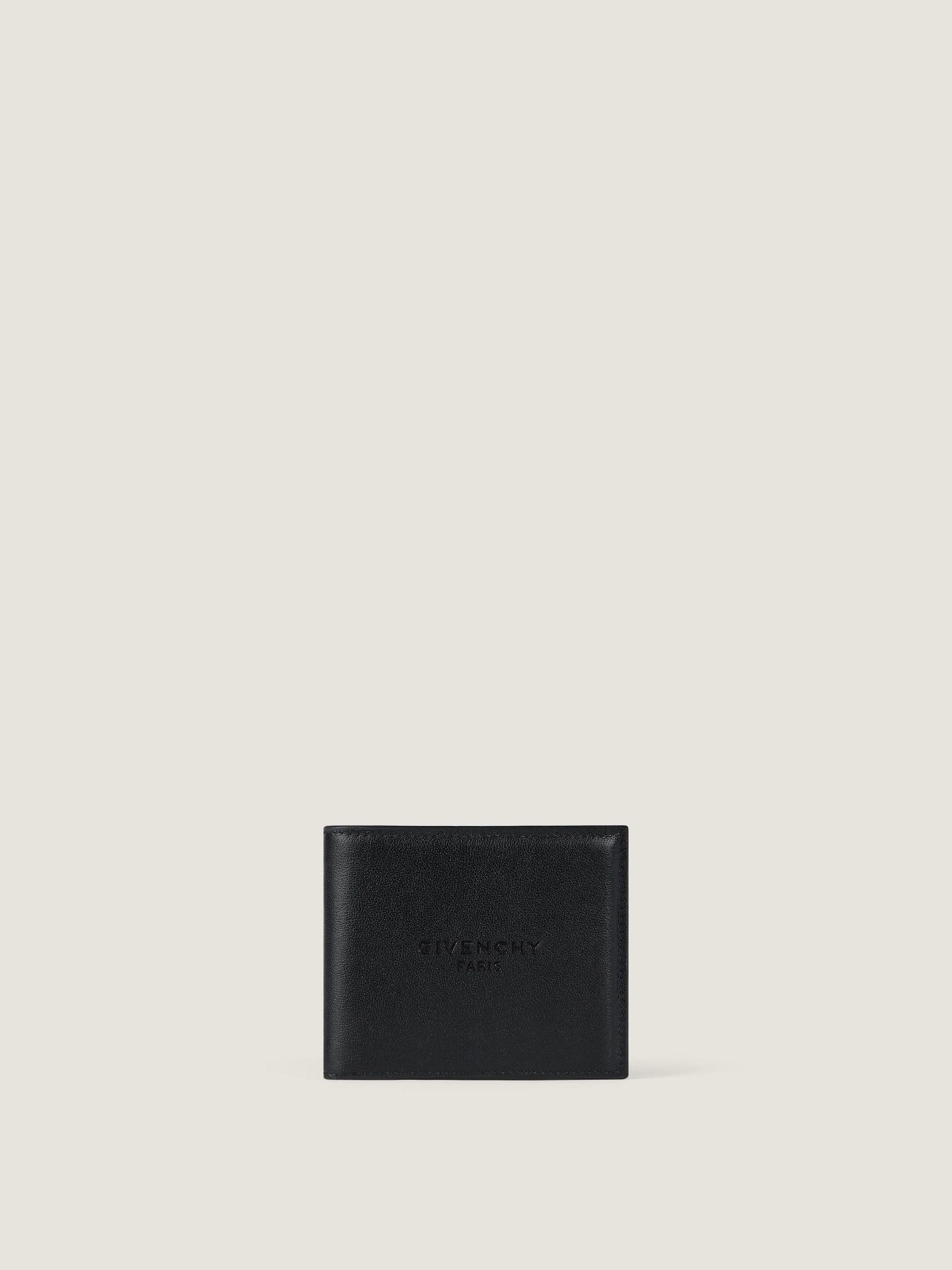
Under €500: Small leather goods. The card holder in grained calfskin runs €250. It will fit six cards and folded bills, and the leather will develop a patina that improves with handling. Avoid anything in coated canvas at this price point — you are paying for branding, not material. Scarves in silk twill start at €320. Look for geometric prints or archival motifs rather than oversized logos.
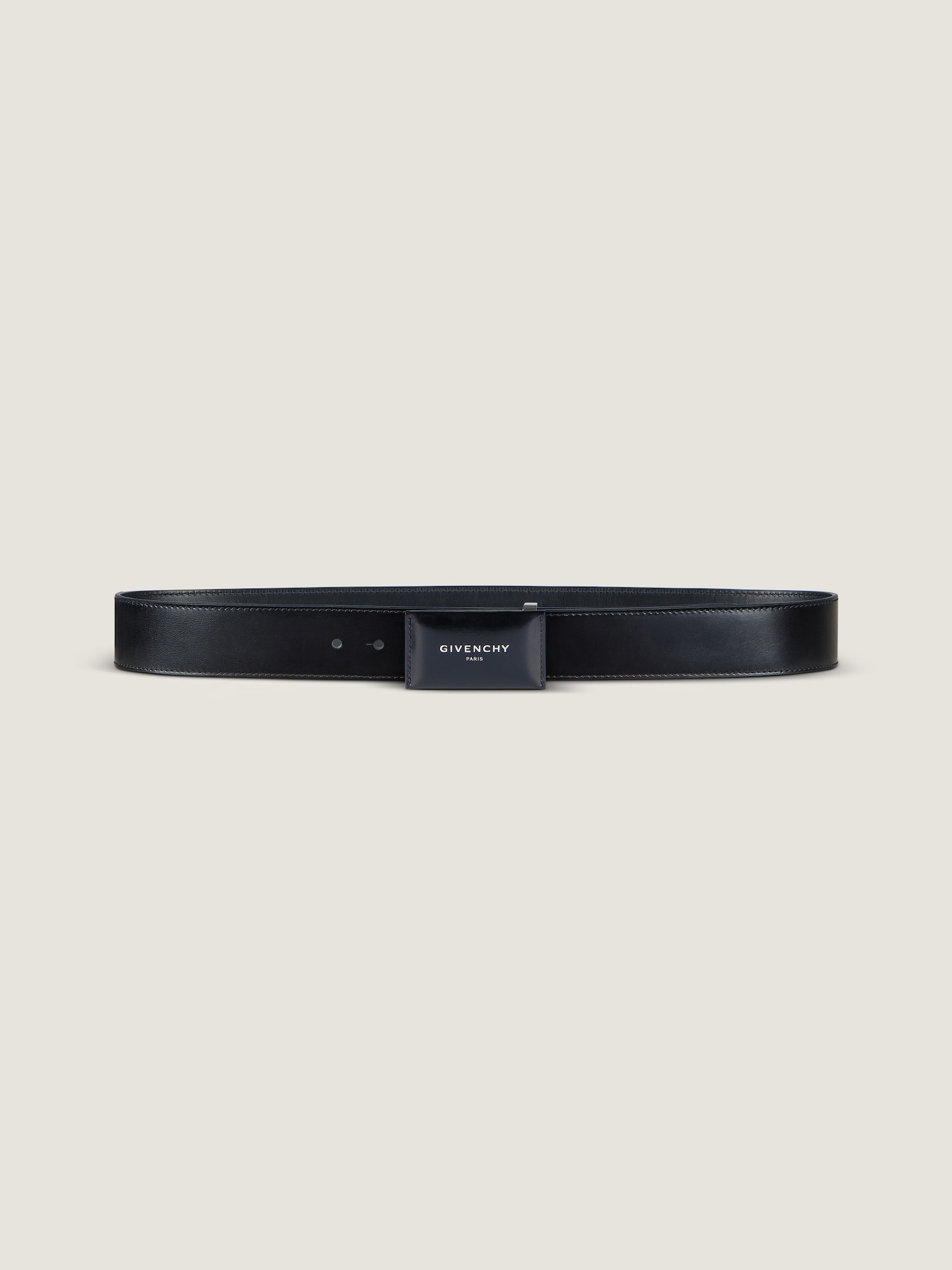
€500–€1,500: The 4G belt bag. Compact, cross-body or waist-worn, embossed with the interlocking G logo Williams introduced. Priced around €950. It works because the proportions are considered — not too small to be precious, not so large it competes with your coat. Knitwear in this range includes merino crewnecks (€590) and wool cardigans with the 4G jacquard pattern (€890). These pieces hold their shape if you follow care instructions. Dry clean or hand wash in cold water, lay flat to dry.
The white poplin shirt mentioned earlier sits here too. €690 for a shirt is a calculation. The fabric is Italian. The collar is fused, not glued. The buttonholes are clean-finished. You are buying a shirt you will not replace for five years if you rotate it properly.
€1,500–€3,000: The Antigona. The small version in grained leather starts at €1,790. The medium, more practical for daily use, is €2,150. This is the bag that carries a laptop, a change of shoes, a book, and does not sag at the sides. The trapezoid structure distributes weight across the base. Double handles mean you can carry it by hand or slide it over your forearm. No shoulder strap on the classic model, which is either a dealbreaker or a relief depending on how you move through the day.
Outerwear enters this band. A wool tailored coat in a single-breasted cut runs €2,400. A leather bomber with minimal hardware is €2,800. These are pieces that require no explanation when you wear them and no apology when you check the price.
What you should know before you buy
Givenchy's sizing runs true to European standards, which means if you typically wear a US 6, you will likely need a FR 38. Try in person if possible. The shoulder line on jackets and coats is cut with a slight forward pitch — this is intentional, a carryover from Hubert's tailoring principles. It should sit naturally when your arms hang at your sides.
Hardware tarnishes if exposed to moisture repeatedly. The chain details on Williams-era bags and the 4G logo clasps are brass-based with plating. Wipe them down after wearing in rain. Store leather goods in dust bags, not plastic.
Resale value holds for the Antigona and for archival pieces from the Tisci era, particularly the Rottweiler-print items and the Nightingale bag. Current-season logo-heavy pieces depreciate faster. If you are buying as an investment, buy for construction and material first, trend second.
The house does not do frequent sales. End-of-season markdowns appear at authorized retailers — Nordstrom, Selfridges, Le Bon Marché — but rarely exceed thirty percent. If you see a Givenchy bag discounted by sixty percent online, verify the seller.
A garment and its context
There is a photograph from 1957. Hubert de Givenchy stands in his atelier beside a dress form. The dress is unfinished. You can see the pins holding the muslin in place, the way the fabric pulls slightly at the waist where he has not yet released the dart. His hand rests on the shoulder seam. He is looking at the line from collar to sleeve head, checking the angle.
That image contains the house's central tension. Givenchy is a place where the garment is built from structure outward, where the seam matters as much as the silhouette. It is also a house that has changed creative direction six times in thirty years, each designer pulling the codes in a new direction. What remains consistent is a commitment to the shoulder line, to proportion, to the idea that a piece of clothing should require no justification beyond the fact that it is well made.
You buy Givenchy when you want that line. When you are done with logos that announce and ready for cuts that simply hold. The white shirt is still in the box. You lift it out, try it on. The shoulder seam lands exactly where your shoulder ends. That is the work.