Tom Ford aujourd'hui : où en est la maison
The private client suite on the third floor of the New York flagship still smells the same—bergamot, leather, something vaguely resinous that reads as expensive even if you can't name it. The velvet armchairs haven't moved. The lighting is still that particular amber that makes everyone look like they've just come from Saint-Tropez. What's changed is the calendar. The appointments used to book six weeks out. Now you can walk in on a Thursday.
Tom Ford, the house, is in a strange place. Not failing—the numbers don't suggest collapse—but no longer operating with the inevitability it once had. The brand spent two decades as a case study in how to build desire, how to make black satin lapels feel like the only possible choice. Then the founder left, Estée Lauder absorbed what remained, and the house has spent the past year and a half trying to figure out what it is when the man whose name is on the door is no longer in the building.
The architecture Ford built
Tom Ford—the person—launched the label in 2005, after the Gucci Group years and a brief, strange interlude of unemployment that someone with his track record doesn't usually experience. The line opened with menswear, a calculated move. Tailoring first, then womenswear, then beauty, then eyewear, then everything else. The strategy was vertical and unambiguous: make things people want and charge accordingly.
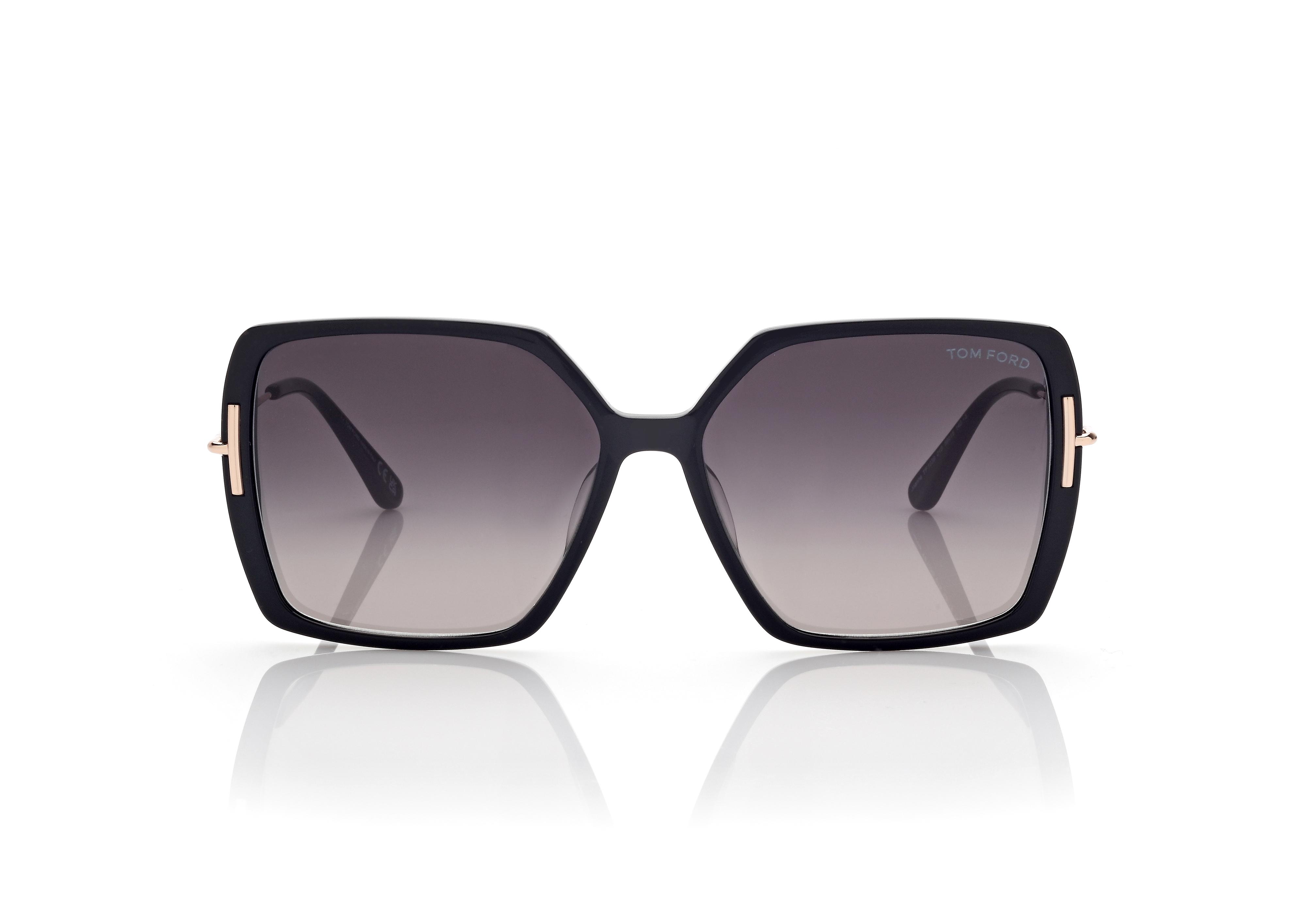
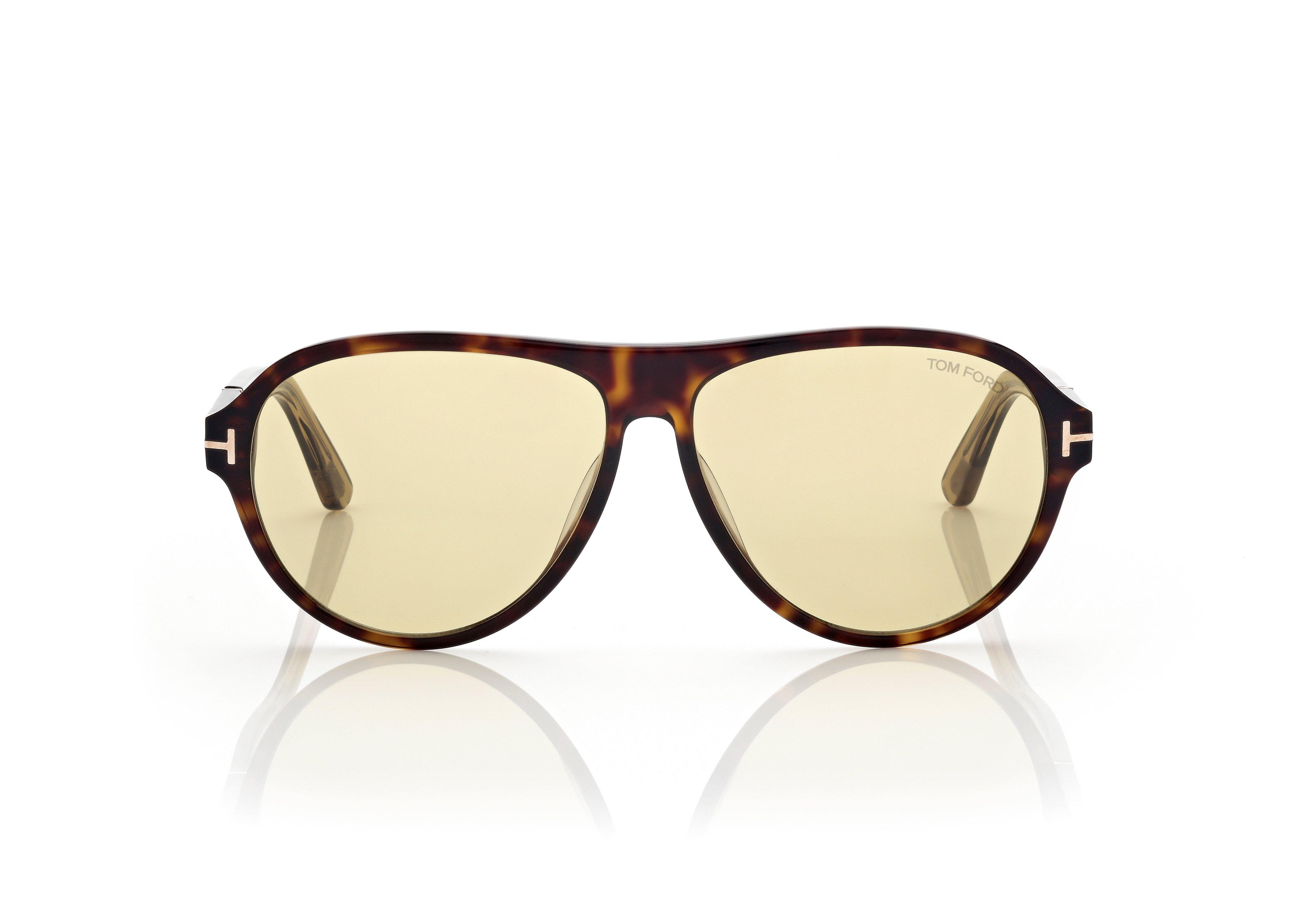
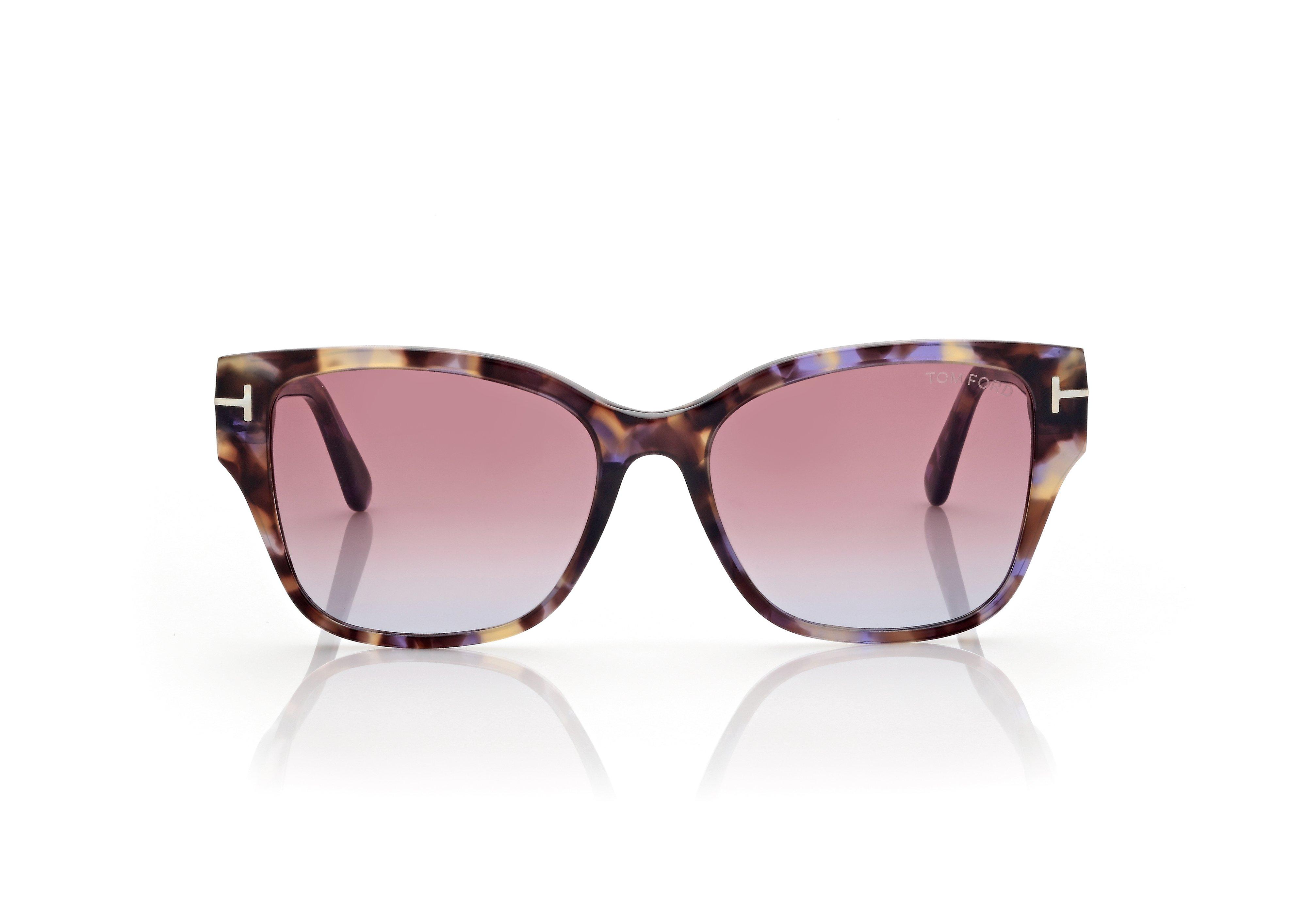
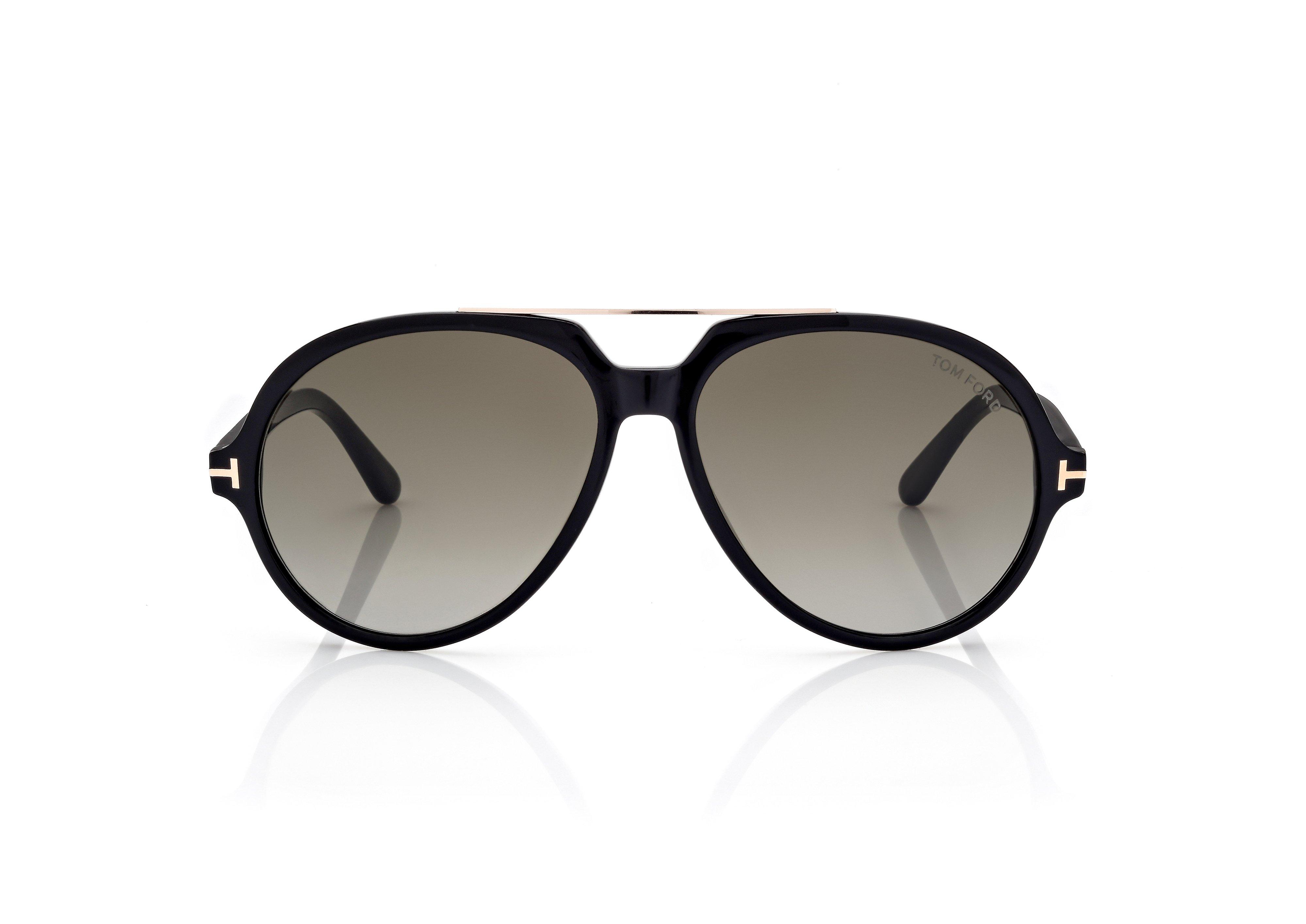
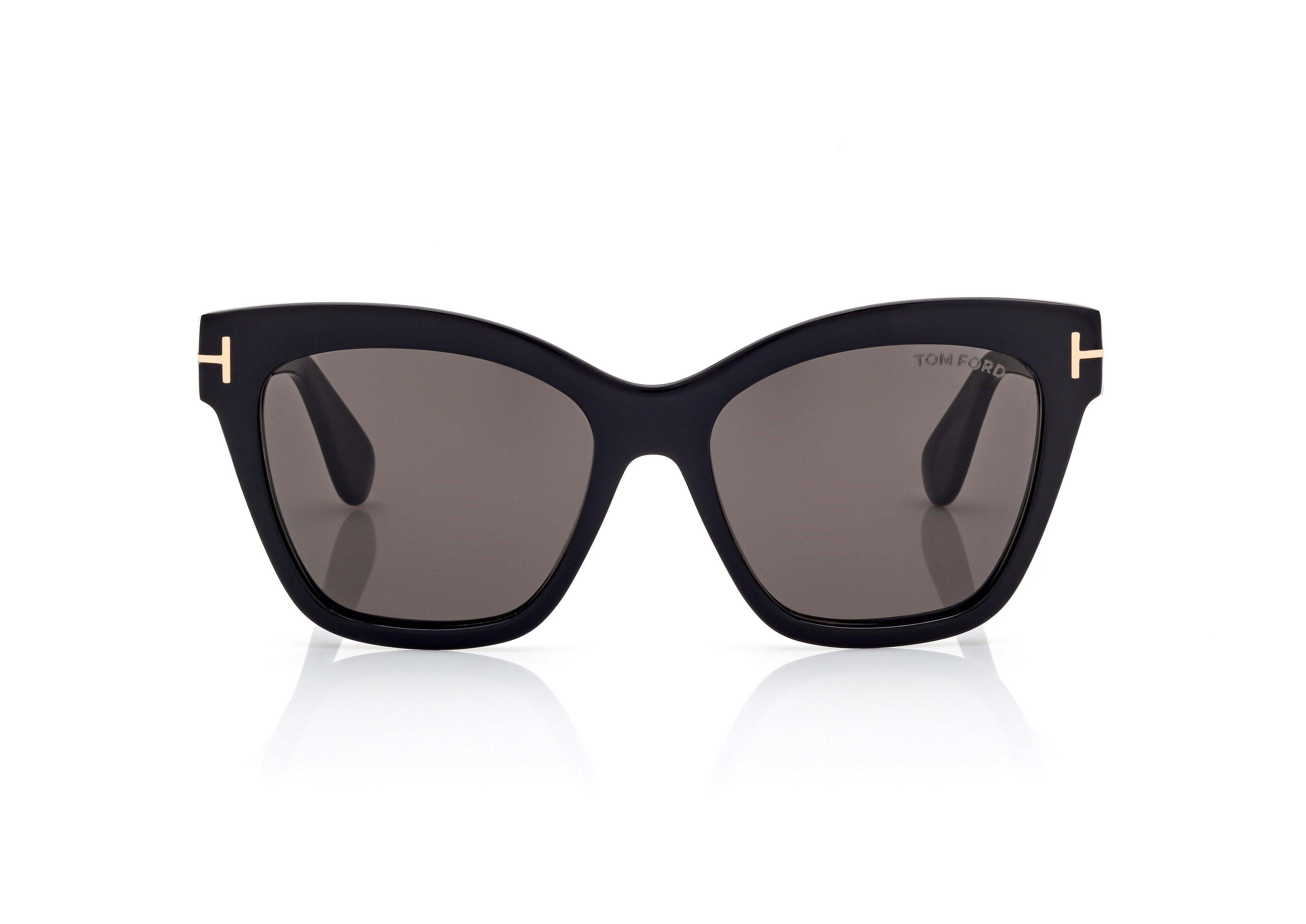
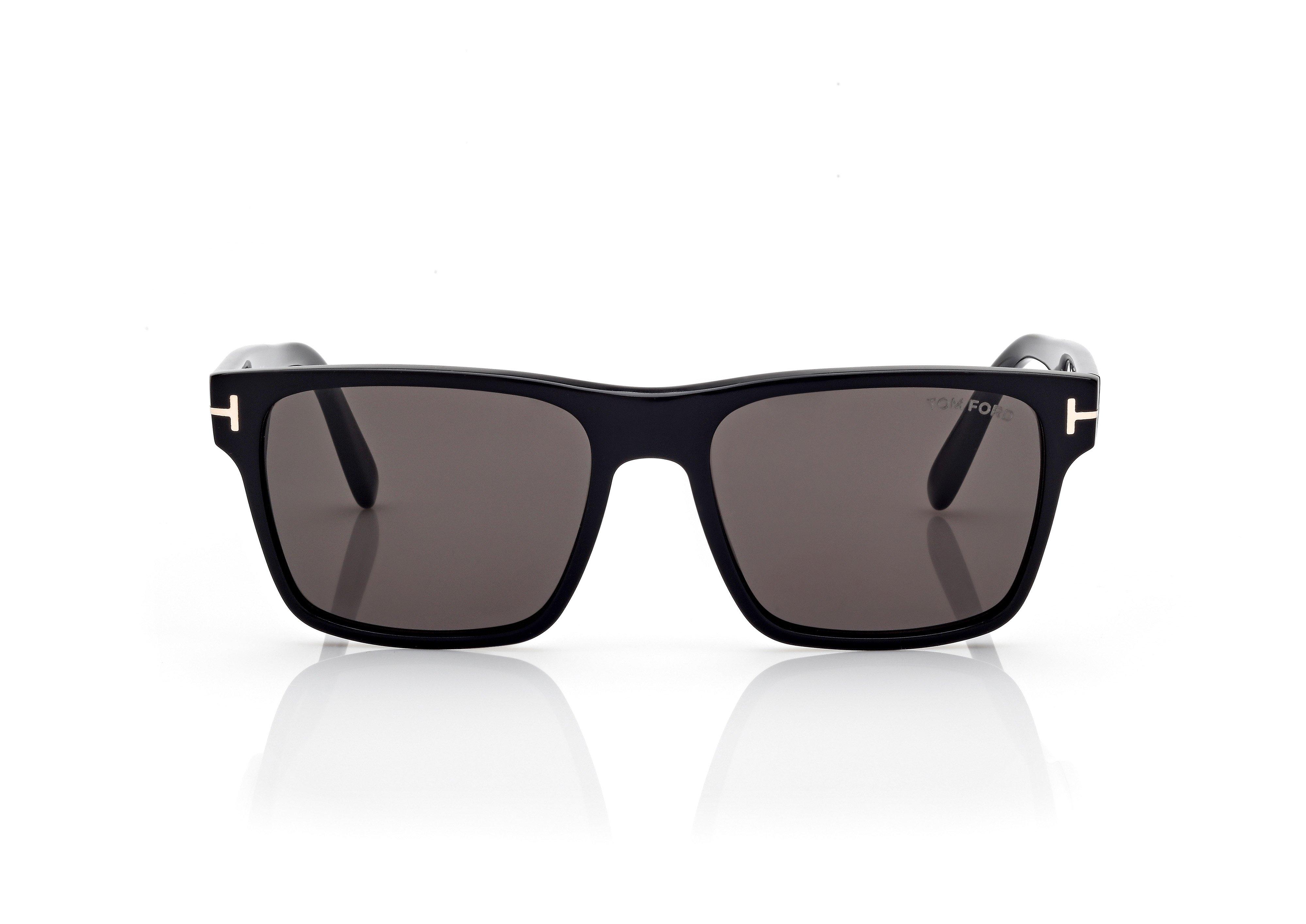
What Ford understood, and what made the house work, was that aspiration doesn't need to be complicated. A black silk shirt cut to skim the body, not drown it. A shoulder that actually landed where a shoulder should. Sunglasses large enough to function as architecture. The work was never about innovation in the avant-garde sense—Ford wasn't interested in deconstructing the suit or interrogating the gaze. He wanted to make you look better in the suit you were already planning to buy.
The beauty line, launched in 2006, became the house's economic engine. A lipstick called Bruised Plum or Velvet Cherry could do what a five-thousand-euro jacket couldn't—it could turn over fast, restock within weeks, and live on a bathroom counter where you'd see it twice a day. The colour names were direct, borderline pornographic, and they worked. By 2022, beauty and fragrance accounted for roughly two-thirds of revenue. The fashion, the thing that made the name mean something, had become the billboard for the lipstick.
The Estée Lauder era
In November 2022, Estée Lauder acquired Tom Ford for $2.8 billion. Ford himself stayed on as creative visionary through the end of 2023, a title that mostly meant approving campaigns and attending the occasional dinner. Then he left. No drama, no public rupture—just the quiet end of a contract.
The house announced in March 2023 that it wouldn't show at fashion week for the foreseeable future. No runway, no presentation, no spectacle. The statement cited a desire to focus on private appointments and direct client relationships, which is the polite way of saying the math didn't justify the expense. A runway show in New York or Milan costs anywhere from three hundred thousand to over a million when you factor in venue, production, casting, and the aftermath. If you're not driving wholesale orders or generating press that converts to retail, you stop writing the check.
What Tom Ford sells now, primarily, is beauty. The fashion exists—tailoring, eveningwear, leather goods—but it functions as scaffolding. The suits and the gowns give the lipstick a world to live in. Estée Lauder knows how to do this. They've managed Bobbi Brown, La Mer, Le Labo. The model is proven. You don't need a creative director for fragrance. You need a chemist, a good nose, and a marketing team that understands aspiration.
The question the house hasn't answered yet is whether the fashion can survive as a satellite concern. Tailoring requires fittings, alterations, relationships with clients who return season after season. Eveningwear requires a reason to get dressed. Both require a point of view that refreshes without alienating. That's harder to maintain when the person whose taste built the house is gone and no one has been named to replace him.
What's in the boutiques now
Walk into the Milan store on Via Verri and you'll find last season's tuxedo jackets, this season's trench coats, and a wall of handbags that look competent but not urgent. The leather is good—Italian, structured, matte where it should be matte. The hardware is weighty. The stitching is clean. It's all correct. What it isn't is necessary.
The Natalia bag, a top-handle style launched two years ago, was positioned as the house's answer to the Hermès Kelly or the Dior Saddle—something with enough shape to be recognizable, enough restraint to work past a single season. It hasn't caught. The bag is still in stores, which tells you something. When a style moves, it moves fast. When it doesn't, it sits.
The tailoring, at least, still performs. A Tom Ford suit remains one of the few things you can buy off a retail floor that actually fits the way a bespoke piece should. The house invested heavily in grading and construction—fourteen sizes per style, adjustable waist tabs, sleeves that can be lengthened or shortened without compromising the drape. It's not cheap. A two-button wool suit starts around $3,800. But it works. Men who've bought one tend to buy another.
The womenswear is less consistent. Some of it—sharp blazers, slip dresses in silk that moves like water—still carries the clarity Ford was known for. Some of it looks like it was designed by a committee trying to remember what Tom Ford design looked like. Sequins for the sake of sequins. Ruching that doesn't flatter. A kind of vague, expensive shimmer that doesn't add up to a point of view.
The absence in the room
What Tom Ford doesn't have, and hasn't had since Ford left, is a central intelligence. Someone who can look at a collection and say no, not that, never that. Someone whose taste is specific enough to be wrong. The house is being run by Estée Lauder executives who understand brand equity and licensing and margin, but who aren't in the business of making clothes that matter.
There's talk, occasionally, of appointing a creative director. Names circulate—usually someone who's done time at a French or Italian house, someone who understands American pragmatism but can still make a dress that photographs. No one has been announced. The longer the role stays empty, the more it seems like Estée Lauder isn't sure it needs to fill it.
The risk, and it's a real one, is that Tom Ford becomes a beauty brand that used to make clothes. That the fashion fades into archive, trotted out for anniversary capsules and collaborations, while the fragrance counter grows. It wouldn't be the first time. Halston went that way. So did Balmain, for a while, before Rousteing pulled it back.
The other possibility is that the house finds someone who can take what Ford built—the clarity, the confidence, the understanding that most people just want to look good—and push it somewhere new without dismantling it. That's a narrow path. But it's the only one that doesn't end with Tom Ford becoming a name that means less every year.
The jacket on the chair
There's a dinner jacket hanging in the Madison Avenue store, black wool barathea with a single button and grosgrain lapels. It's been there for three months. No one's bought it, but no one's marked it down either. It's the kind of piece that doesn't move fast—too specific, too formal, too expensive to be an impulse. But it's also the kind of piece that justifies the house. The cut is clean. The fabric is dense and matte in a way that only reads in person. The satin lining is the colour of old cognac.
If you try it on, it fits. That's what Tom Ford still does—makes things that fit. Whether that's enough, in 2025, when the house has no creative director and no runway and no clear answer to what happens next, is the question the third-floor appointments are quietly asking. The velvet chairs are still there. The lighting is still flattering. But the calendar has space, and space, in this business, is never a good sign.